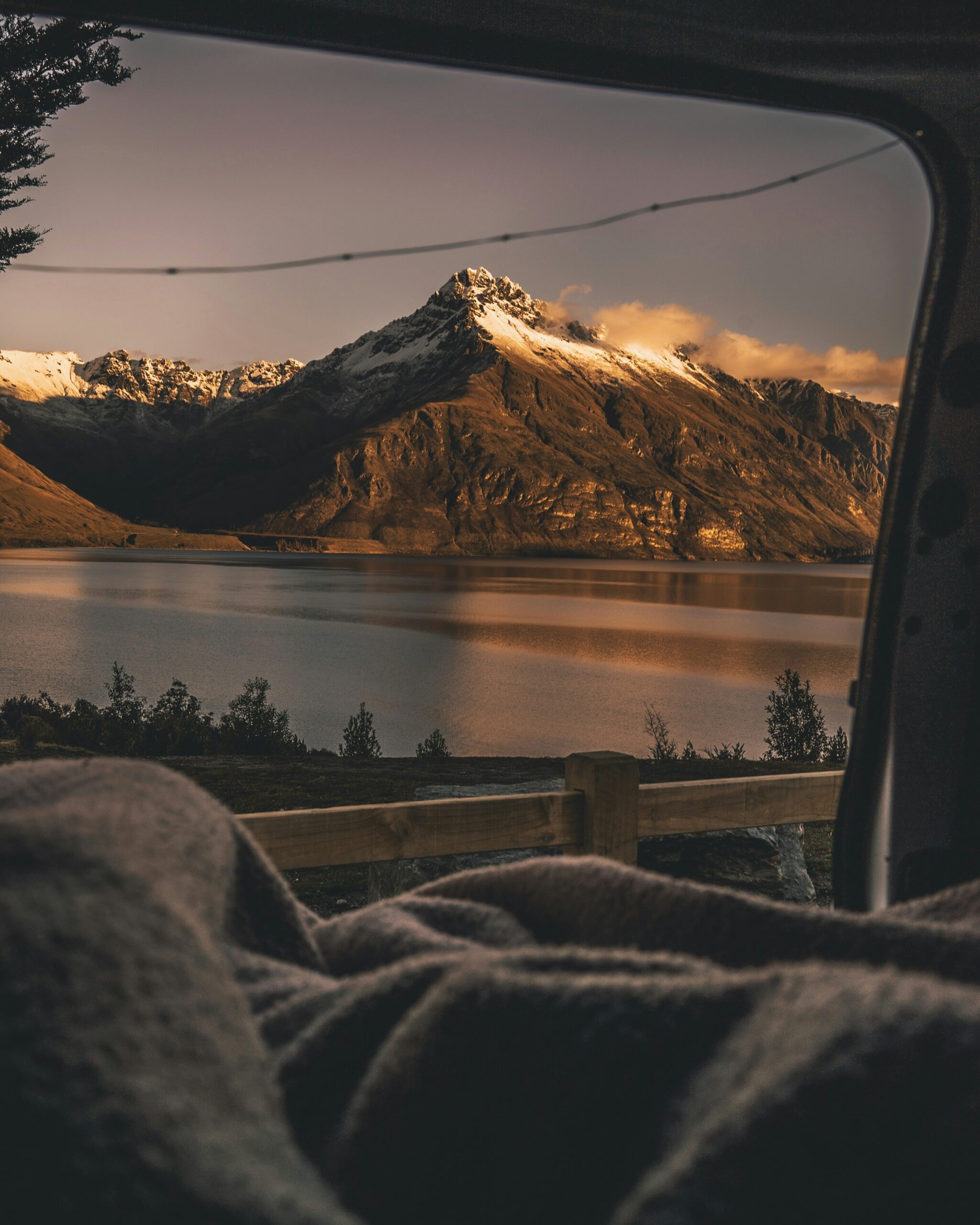
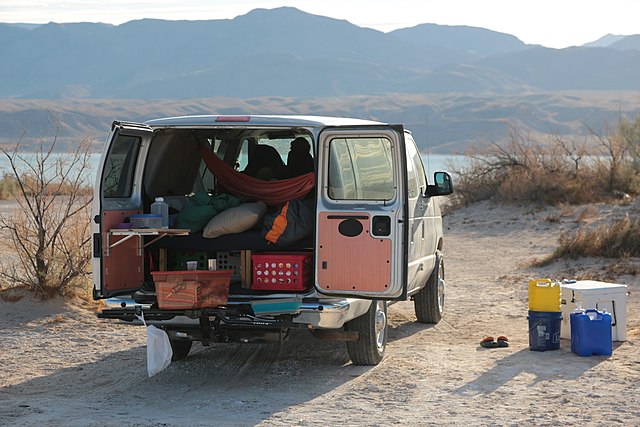
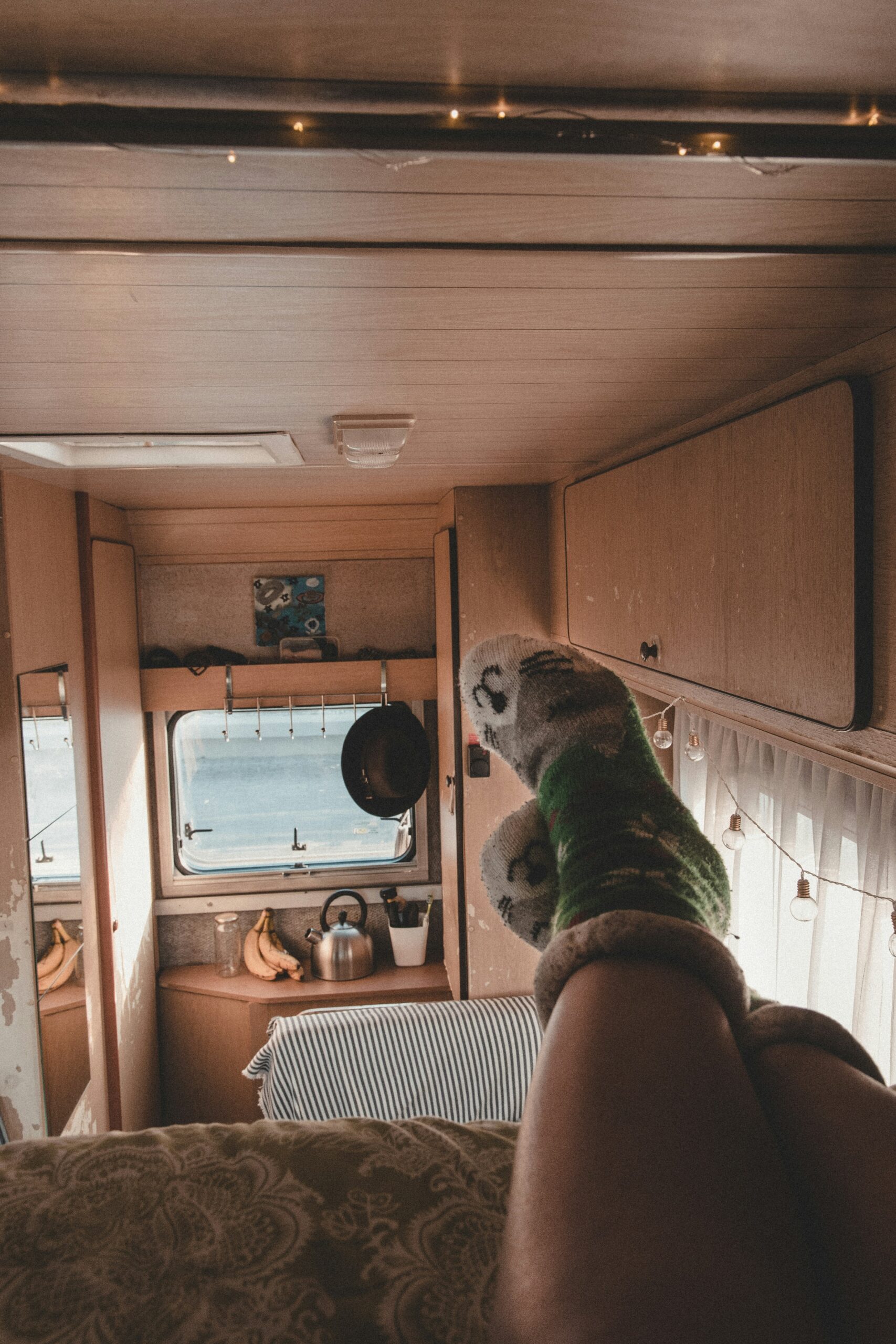
People have lived out of vehicles for decades. Cars and vans have offered an alternative living space for those who could not afford rent or housing prices. While these people may have formed communities centered around their living spaces, Vanlife only emerged as a popularized subculture in the 21st century. Around 2010, the first Vanlifers sought to reject the corporate race, 9-5 jobs, and paying rent. Instead, they pursued minimalism, exploration of nature, and a sense of freedom.
Foster Huntington originally created the #vanlife hashtag in 2011 to document his life and travels in a Volkswagen Bus after leaving his job at Ralph Lauren (Dorn 2015). Since 2011, Vanlife has rapidly expanded, with approximately 1 million #vanlife posts in 2011 growing to 11 million in 2021 (Dodgson 2021). The 2008 financial crisis may have acted as a catalyst for Vanlife to gain such popularity (Rodriguez 2023). Unemployment, unlivable wages, and social inequity prevented many people from buying homes and paying rent. As a result, living in a van became a viable living arrangement when many others had disappeared.
While scholars have not agreed on a definition, one might understand Vanlife as a hypermobile community in which individuals convert vehicles into homes and often live without a specific geographic attachment (Harfoush 2022; Muhs et al 2023). Hypermobility is characterized by a lack of stability and consistent movement. As a result, those who participate in Vanlife often become limited to working remotely, working seasonal jobs, or not working at all. These job options have the potential to severely limit their financial stability and prospects for upward mobility.
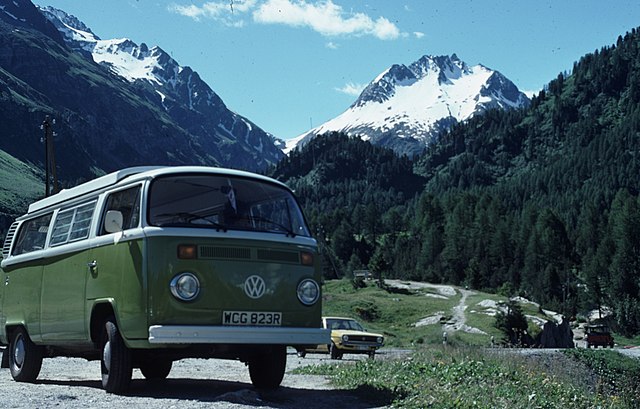
Although lack of data exists about Vanlifer numbers, three million people are estimated to belong to the North American Vanlife community as of 2021 (Rizvi et al. 2021). In addition to a numerical growth, the Vanlife subculture has expanded outside the United States primarily to other Western countries including Australia, Switzerland, and Canada among others (Rizvi et al 2021; Muhs et al 2023). However, it is important to consider that members of the Vanlife community from non-Western countries may be underrepresented (Walpersberger & Gretzel 2023).
While the distribution of Vanlifers is relatively diffuse, especially considering their hypermobile lifestyle, the hashtag function on Instagram allows #vanlife members to connect through an online community and collectively create meaning (Bergstrom 2019). Through this online space, Vanlifers have performed the ideals of returning to a “simpler” life, posting pictures that may center campfires, guitars, steaming cups of coffee, and film photography (Pocock 2019). In this way, social media has become an essential part in the construction of a widely recognizable Vanlifer identity.
Although shift of Vanlife into a digital subculture space has allowed for increased participation in the subculture, it has also created an emphasis on the idealization of Vanlife. This representation may not always perfectly align with the lived experiences of Vanlifers, which can include struggles with isolation, mental health, and a nomadic lifestyle (Dodgson 2021).

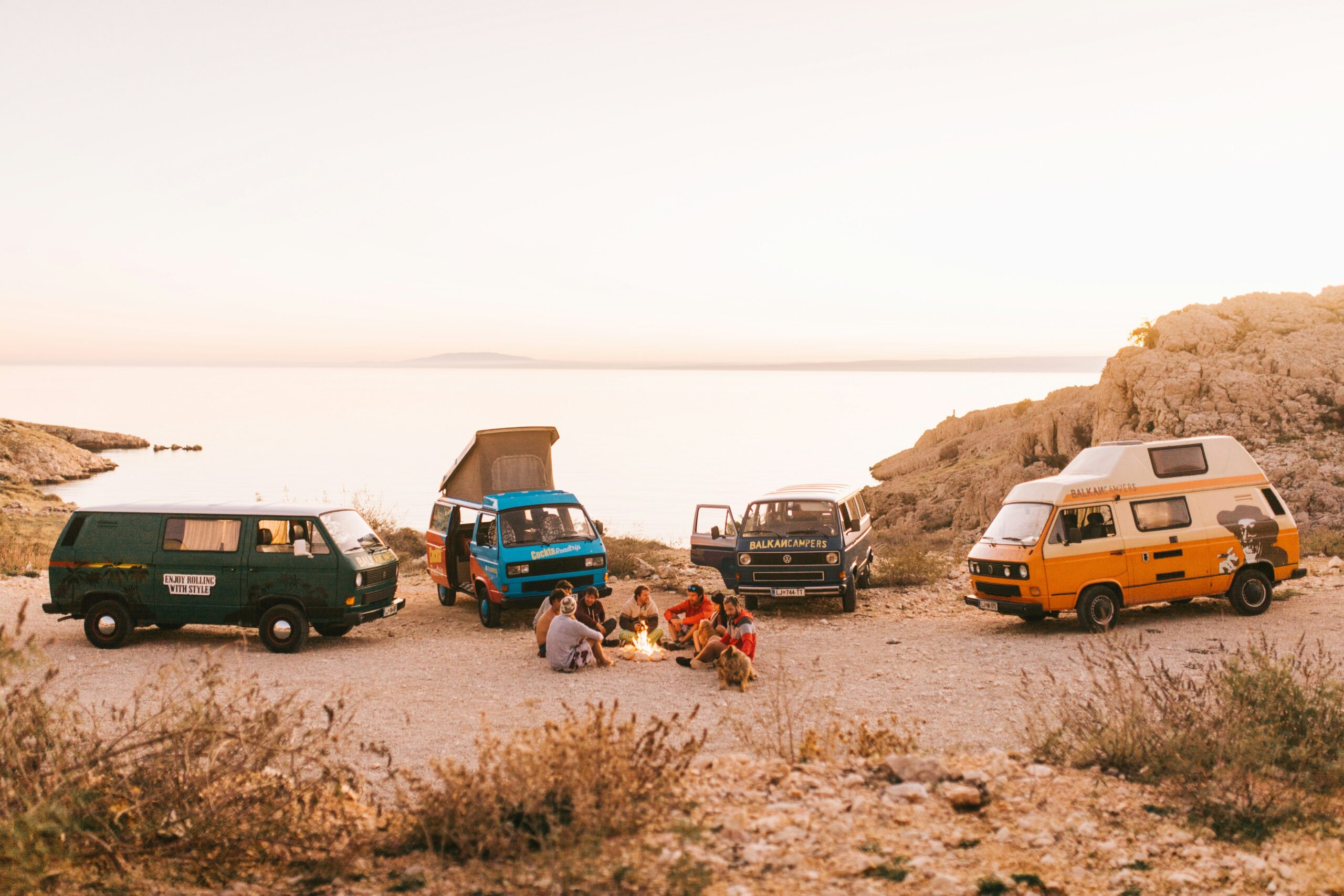
Despite the importance of social media in creating an online Vanlife community, many Vanlifers also participate in the subculture without a large social media presence (Wegerer 2021; Muhs et al. 2023). Vanlifers create community with one another by coming together in arranged meetings, vanlife specific events, or by living together in a specific location, such as on public lands (Walpersberger & Gretzel 2023). These in-person experiences in turn help to create a sense of togetherness among Vanlifers. Thus, this subculture is not limited to online spaces although those who use social media may have much greater visibility.
The following Youtube video (“Is Social Media Ruining Vanlife?”) describes a vanlifer’s perspective on core values and authenticity in Vanlife and the ways that consumerism, commodification, and social media threaten the original foundations of this subculture.
Vanlifers emphasize the element of choice involved in their lifestyle. Moreover, they attempt to distinguish themselves from people forced to live out of vehicles due to economic circumstances or other external factors (Walpersberger & Gretzel 2023). To do this they often use specific language such as that referring to themselves as “houseless not homeless” (Murray 2019). Visually, Vanlifers attempt to counteract assumptions of uncleanliness commonly associated with unhoused people by posting pictures on Instagram showing clean and tidy van interiors as well as well-kept personal appearances (Bergstrom 2019).
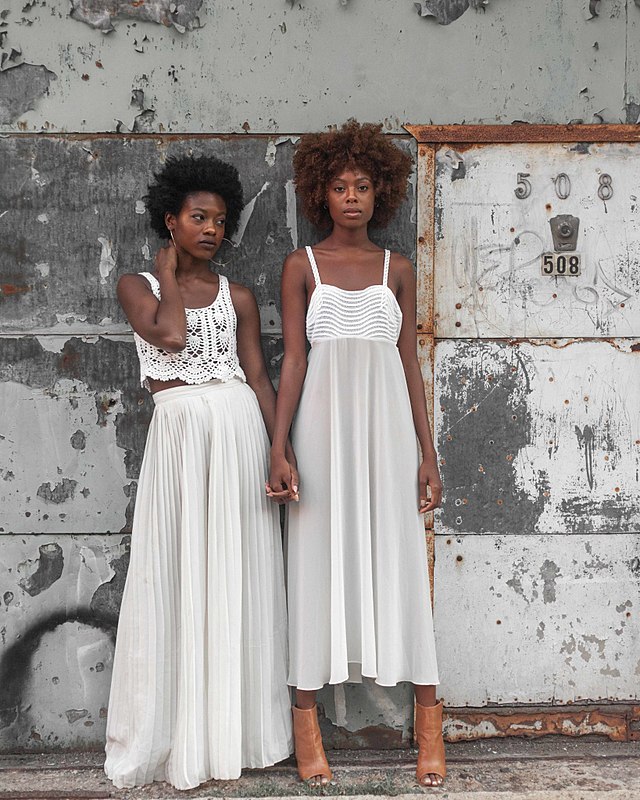
Many Vanlifers further construct their identity with clothing and decoration styles popularly identified as Bohemian or ‘boho chic’ (Monroe 2017). Sociologists have long recognized clothing as an important factor in constructing subcultural identity and in distinguishment from “normal society” (Haenfler 2013). The Bohemian clothing style often uses natural fabrics, simple, bright, and light colors, and loose-fitting garments. These aspects of clothing work to communicate the pursuit of freedom, independence, wildness, and close connection to nature (Ma 2019).
By using these various methods of identity construction, Vanlifers attempt to communicate their values and lifestyle to other members of the subculture as well as to outsiders. In general, Vanlifers share a mindset and motivation centered around pursing freedom from oppressive jobs, restrictive social norms, or mundane routines. Through Vanlife they seek authenticity and adventure that they view as unattainable in “normal” life (Walpersberger & Gretzel 2023).
"vanlife’ is… a one-word life-style signifier that has come to evoke a number of contemporary trends: a renewed interest in the American road trip, a culture of hippie-inflected outdoorsiness, and a life free from the tyranny of a nine-to-five office job."
Rachel Monroe
Many of the values which Vanlifers embrace correlate to actions of intentional resistance towards conventional capitalist society. More specifically, Vanlifers tend to practice some form of minimalism considering the small amount of space that they live in (Muhs et al). Minimalism falls under the anti-consumption movement, resisting the continual production and accumulation of material goods. Do-it-yourself van-conversion trends also allows people to create liveable vans without needing to buy the fully outfitted van. For example, the video “I transformed a work van into a mobile home,” demonstrates all of the steps necessary to construct a live-able van. A list of the materials and other helpful links were also included below the video to make it easier for others to replicate a similar van transformation. Videos like this may give the opportunity to more than just the privileged few to gain access to the hypermobile van lifestyle.
In a similar way, Vanlifers portray themselves as rejecting the typical 9-5 workday. Rather than conforming to the monotony of corporate jobs, Vanlifers seek freedom and nuance by finding other methods of subsistence (Pocock 2019). They thus view themselves as resisting the expectations of capitalist society and the typical American dream.
Although vanlifers may not participate in resistance overtly directed towards the state, or in the form of public protest, they demonstrate a different way of living that could lead to greater human flourishing. This act also constitutes a form of resistance (Wright 2010; Haenfler 2013).
While many members of the Vanlife community may use their lifestyle as a form of resistance, increasing commodification of the Vanlife subculture has reinforced normative values of capitalist society. Moreover, fully outfitted, luxury vans are now available for purchase. This offers those with social and financial safety nets a chance to live comfortably on the road. Rather than demonstrating minimalism, these vans are luxuriously decorated and outfitted with the newest technologies.
In the following video (“Tulum Inspired Concrete Oasis DREAM Van Tour”) a luxury van tour is given, providing an example of how vanlife has become increasingly commodified.
Although Vanlifers portray themselves as a welcoming, inclusive community, young white individuals dominate the visible subcultural spaces. In the United States, white people have historically dominated outdoor spaces while perpetuating racism and the exclusion of people of color in these spaces (Finney 2014). This historical exclusion has carried over into the Vanlife movement, with whiteness dominating both online and offline spaces. In online spaces like Instagram, white beauty standards dominate Vanlifer photos with soft, straight hair, light skin, and thin noses and lips centered in photos (Bergstrom 2019).
In addition to the lack of racial diversity within this subculture, mainly people from middle or upper socioeconomic backgrounds participate in Vanlife (Amaral and Tallie 2023). This privilege allows many vanlifers to mitigate potential consequences associated with a hyper-mobile lifestyle.
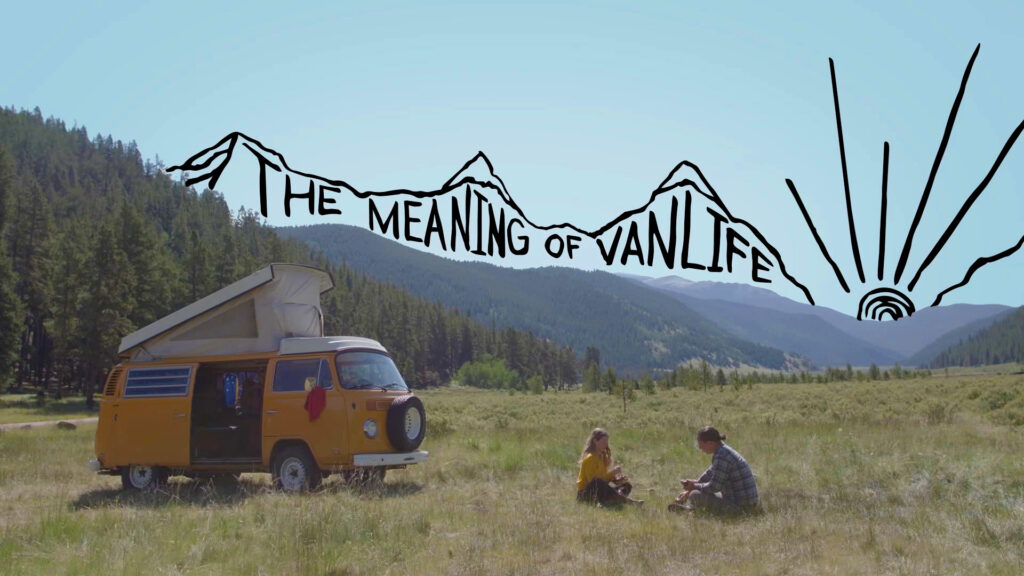
Lounsbury, Jim. 2019. The Meaning of Vanlife. Fighting Chance Films.
A documentary providing some vanlifer viewpoints on their chosen way of life.
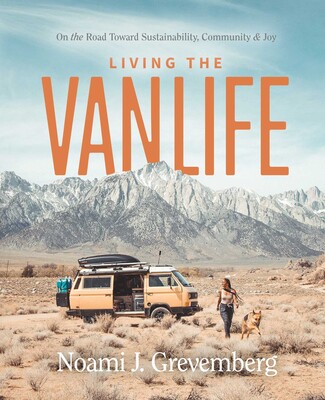
Grevemberg, Noami J., and Deenaalee Hodgdon. Living the Vanlife: On the Road Toward Sustainability, Community & Joy. 2023 Simon Element.
Founder of the diversify vanlife movement, Naomi Grevemberg describes what it is like to live in a van as an immigrant woman of color.
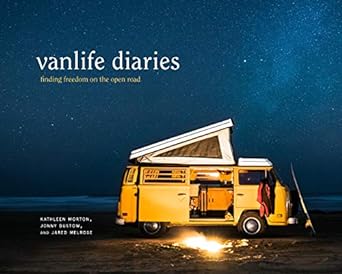
Morton, Kathleen, Jonny Dustow, and Jared Melrose Campbell. 2019. Vanlife diaries: Finding freedom on the open road. California: Ten Speed Press, an imprint of the Crown Publishing Group.
A photography book that provides insight into the Vanlife community with interviews, advice, and photos.
Amaral, Madison, and T. J. Tallie. 2023. “Hippies and# Vanlife: A Postcolonial Critique of American Counterculture.”
Bergstrom, Jessica. 2019. “Social Identity Theory and the #Vanlife Movement.” Electronic Theses and Dissertations. 3101. https://digitalcommons.library.umaine.edu/etd/3101
Dodgson, Lindsay.2021. “Van Life and Mental Health: Experts Say Isolation and Struggles Can Come with the Idyllic Photos and Free Lifestyle.” Insider. https://www.insider.com/van-life-mental-health-girl-isolation-challenges-gabby-petito-missing-2021-9.
Dorn, Joseph. 2015. “On the Road with the Vanlife Community: The Art of Storytelling in the Age of Instagram.”
Finney, Carolyn. 2014. Black faces, white spaces: Reimagining the relationship of African Americans to the great outdoors. UNC Press Books.
Haenfler, Ross. 2013. Subcultures: The Basics.
Harfoush, Rahaf. 2022. “Life is a highway, Let’s ride it all night: The digital economy’s transformation of van life.” https://atelier.net/insights/life-is-a-highway-lets-ride-it-all-night-the-digital
Ma, Xiaofang. 2019. “Research on the Bohemian Style Clothing.” In 3rd International Conference on Culture, Education and Economic Development of Modern Society (ICCESE 2019), pp. 276-278. Atlantis Press.
Monroe, Rachel. 2017. “#Vanlife, the Bohemian Social-Media Movement.” The New Yorker, April 17.
Muhs, Christina Susanne, Dora Lúcia Agapito, and Luís Nobre Pereira. 2024. “Understanding vanlife: The current state of the art of a vehicle-based hypermobile travel phenomenon.” Current Issues in Tourism, 1–23. https://doi.org/10.1080/13683500.2024.2311148
Pocock, Joanna. 2019. “The New Nomads of #vanlife reflect an enduring divide.” JSTOR Daily. Retrieved from https://daily.jstor.org/the-new-nomads-of-vanlife-reflect-an-enduring-divide/
Murray, Stephanie. 2019.”Defining Freedom: An Ethnographic Study with American Vanlifers.”
Rizvi, Ali Haider, Kateryna Morayko, Mark Hancock, and Arden Song. 2021. “Provocations from# vanlife: Investigating life and work in a community extensively using technology not designed for them.” In Proceedings of the 2021 CHI conference on human factors in computing systems, pp. 1-16.
Rodriguez, Cody. 2023. “#vanlife.” Anthropological Journal of European Cultures, 32(2), 68–87. doi:10.3167/ajec.2023.320205
Walpersberger ,Tatjana & Ulrike Gretzel. 2023. “Illusion of inclusion: #BlackVanlife as counter-storytelling.” Tourism Geographies, 26:1, 32-50, DOI: 10.1080/14616688.2023.2291701
Wegerer, Philipp K. 2021. “Doing Vanlife: a Social Practice Perspective on Traveling With a Camper Van.” ACR North American Advances (2021).
Wright, Erik O. 2010. Envisioning Real Utopias. Brooklyn, NY: Verso Books.
Suggested Page Citation:
Garcia, Sara. 2024. “Vanlife.” Subcultures and Sociology. https://haenfler.sites.grinnell.edu/vanlife/