
Pup Play

Table of Contents

Defining Pup Play

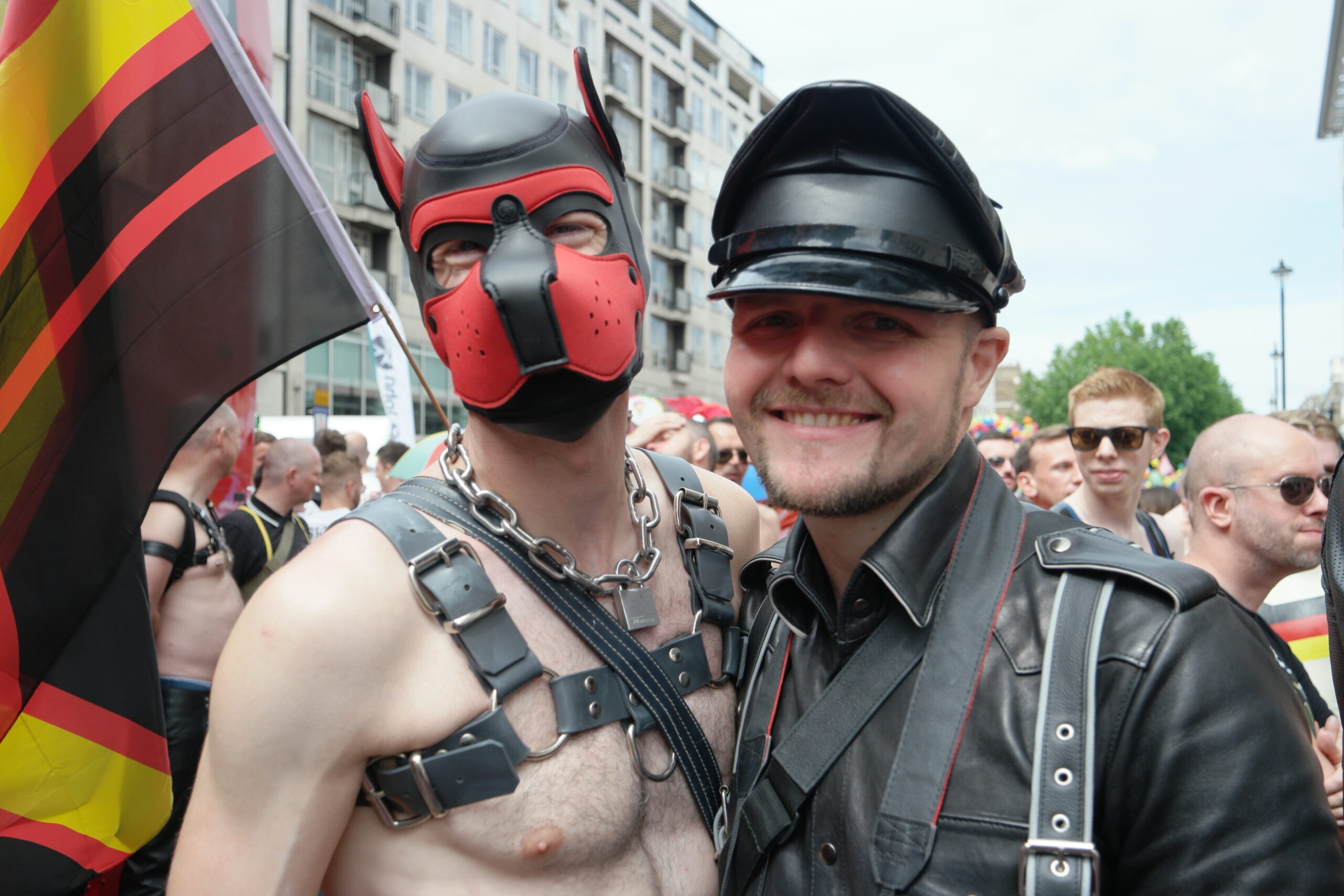
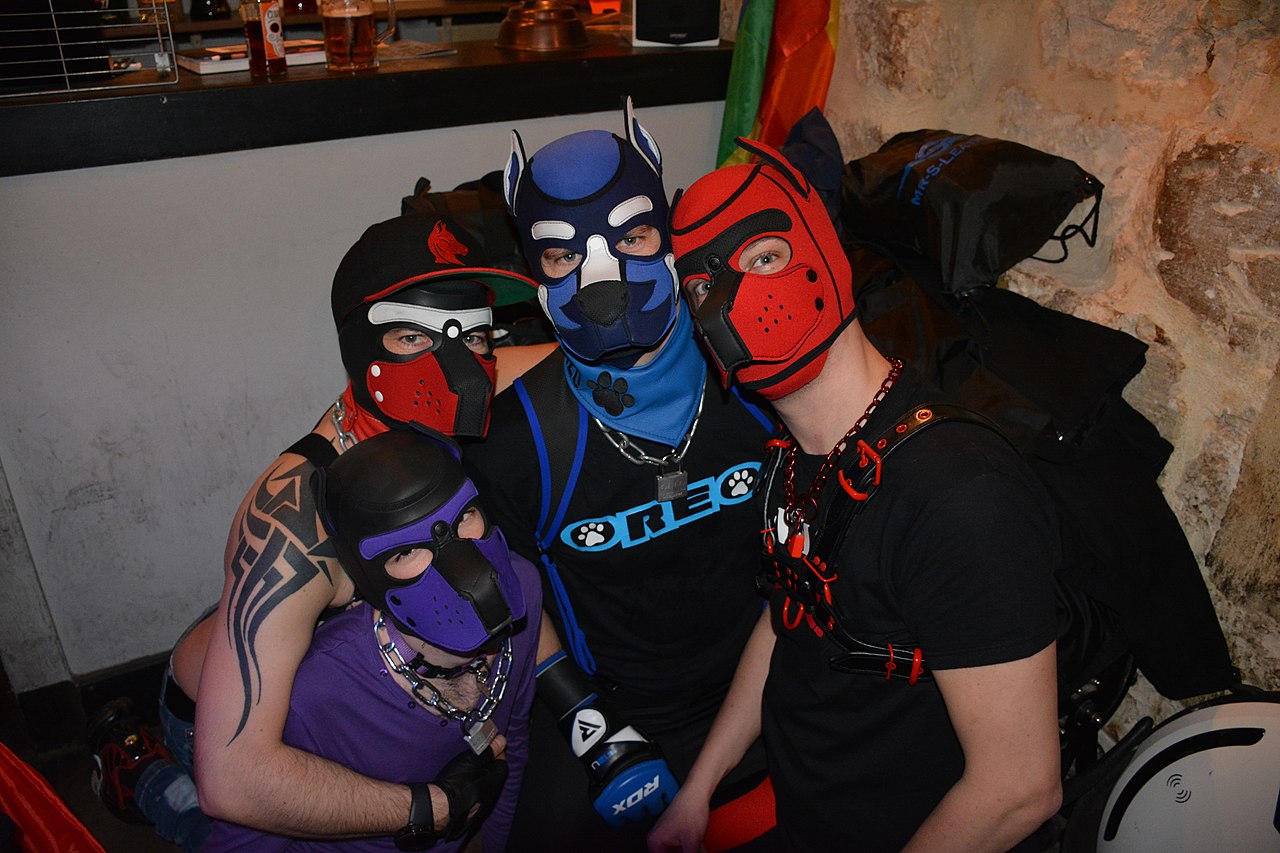
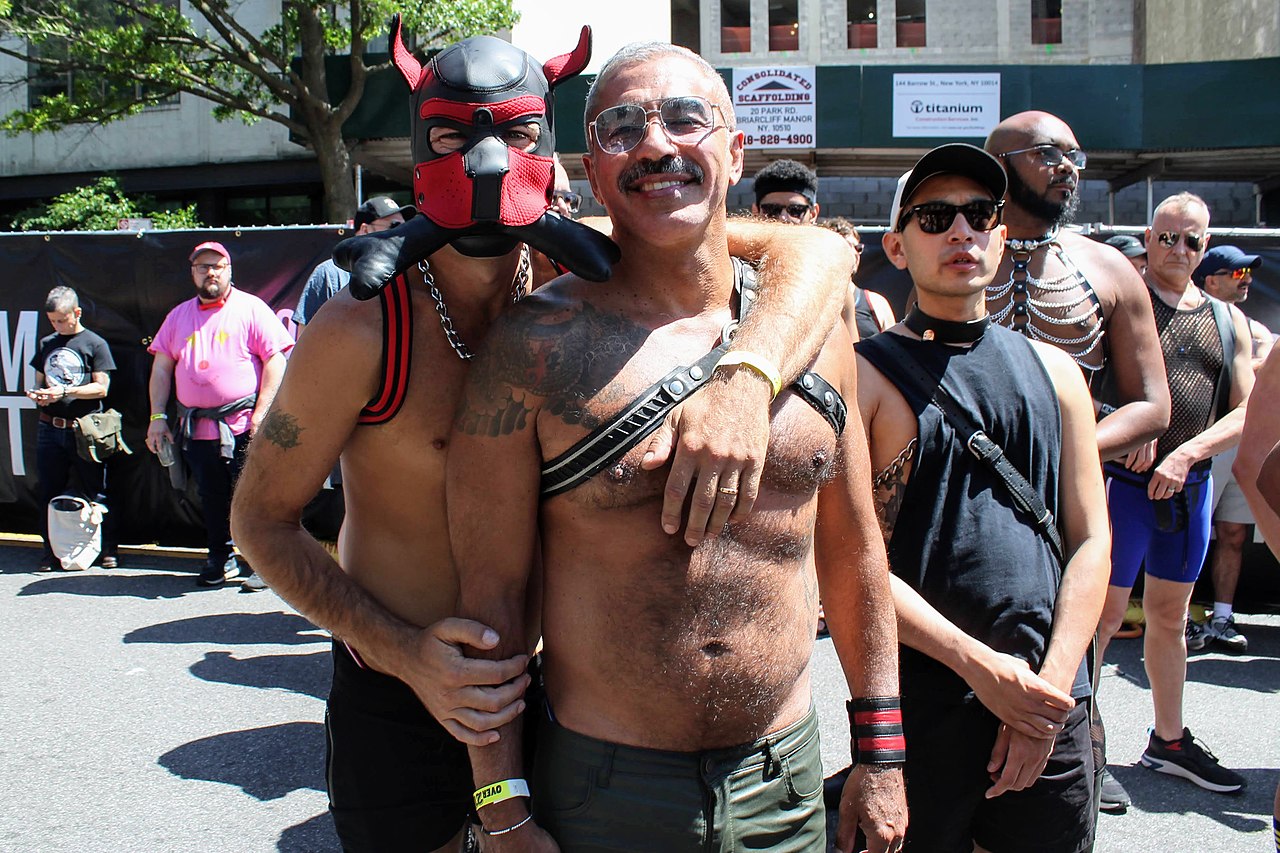
Pup play, also called puppy play, is a role-playing activity in which an individual adopts the characteristics of a dog or puppy. People who engage in pup play may identify as pups or handlers. Pups imitate the behavior of dogs and often use specialized gear such as hoods and collars to further simulate the experience of being a puppy. A pup’s handler acts as the owner of a dog, providing care to their pup. 

Flag with diagonal black and dark blue stripes, a thick diagonal white stripe in the middle, and a bright red bone symbol in the center.
Pup play pride flag. Photo by Vurtec on Wikipedia Commons, 2 May 2011.

Pup play is often categorized as a kink or fetish, as many individuals participate for sexual satisfaction. Furthermore, pup play has roots in BDSM and the leather scene, originating as a type of dominance/submission practice. However, not all pups engage in pup play for reasons related to sex. Therefore, puppy play can be classified as a “socio-sexual” activity (Lawson and Langdridge 2019Matchett and Berkowitz 2023)

Sexual Pleasure

There are many reasons why people choose to participate in pup play. For many, it is a source of sexual pleasure, as a form of foreplay or as a way of having sex. Pups and handlers derive pleasure from engaging in the dominant and submissive undertones of their roles. For many pups, simply donning their pup persona and gear is arousing. For those who participate in more traditional BDSM, pups may roleplay for extended periods of time in “pup slavery” (Langdridge and Lawson 2019). Other pups distinguish puppy play from simply a submissive role, instead highlighting the playful aspects and downplaying pain and humiliation characteristic of “Old Guard” BDSM (Langdridge and Lawson 2019Lawson and Langdridge 2019).

Play

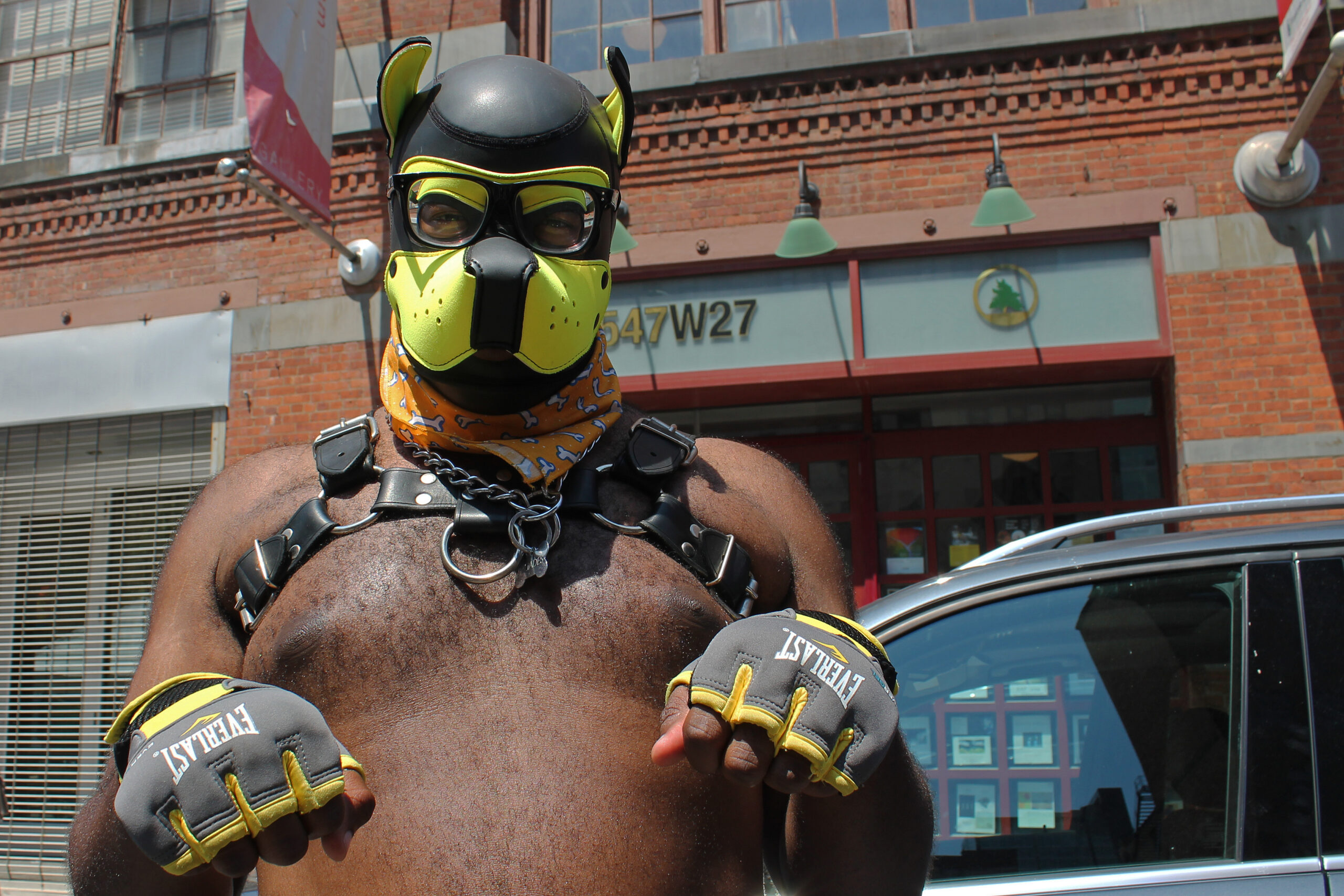
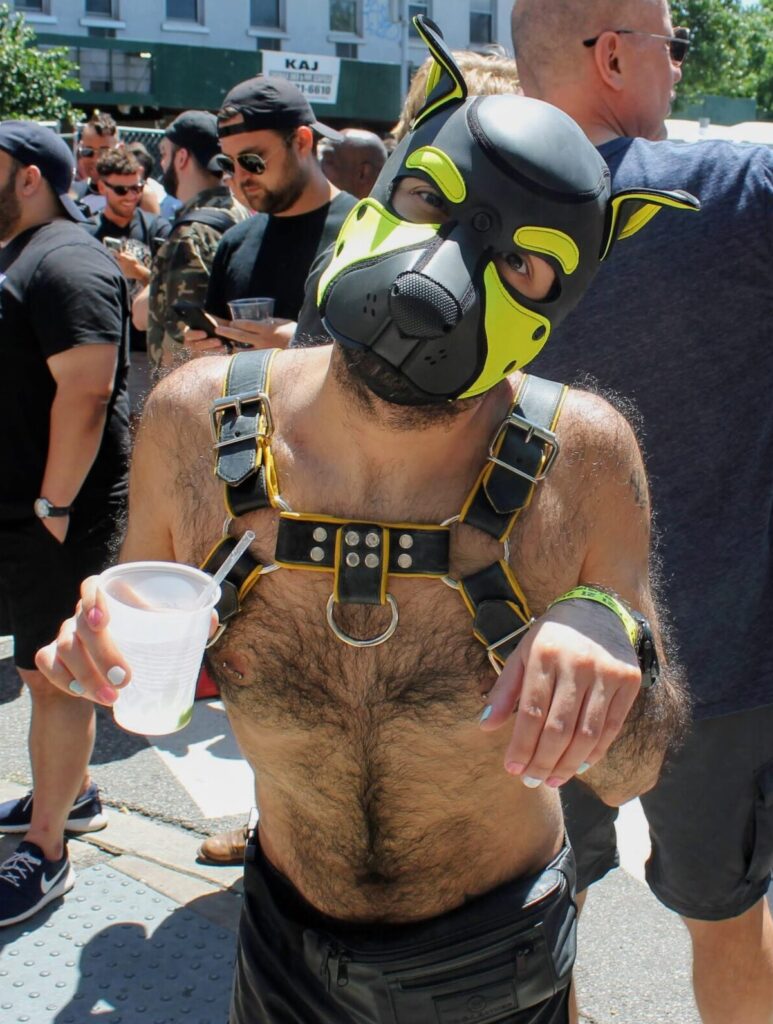
A person poses outside in front of a crowd, wearing a black and yellow pup hood, a leather harness, and no shirt. His head is tilted to one side playfully, and he is holding up his hands to mimic animal paws.
"paws for effect." Photo by istolethetv on Flickr, June 22, 2022.

Others enjoy being pups not for erotic purposes, but solely for play. Play is a significant aspect of pup play for all participants (Langdridge and Lawson 2019Lawson and Langdridge 2019). Pups engage in dog-like activities such as barking, growling, playing fetch, rolling around, walking on all fours, getting belly rubs, or cuddling. The physicality of this kind of roleplay is important to many pups, providing them with fun and relaxing physical activity. Many pups also describe feeling a sense of freedom they get from playing like a dog (Langdrige and Lawson 2019).

"I think the playfulness, the kind of the physicality of it is a big thing. I love that as a puppy I can, you know, brush up against people, rub up against, people feel more free to pet me, touch me. So, I love that I can play around. I can be silly."
Lucky, USA, 42
(Langdridge and Lawson 2019)

Additionally, people participate in puppy play for its therapeutic effects and mental health benefits. Roleplaying as a puppy offers an escape from “human” responsibilities and the stress of daily life (Langdridge and Lawson 2019Wignall et al. 2022).

Pupspace

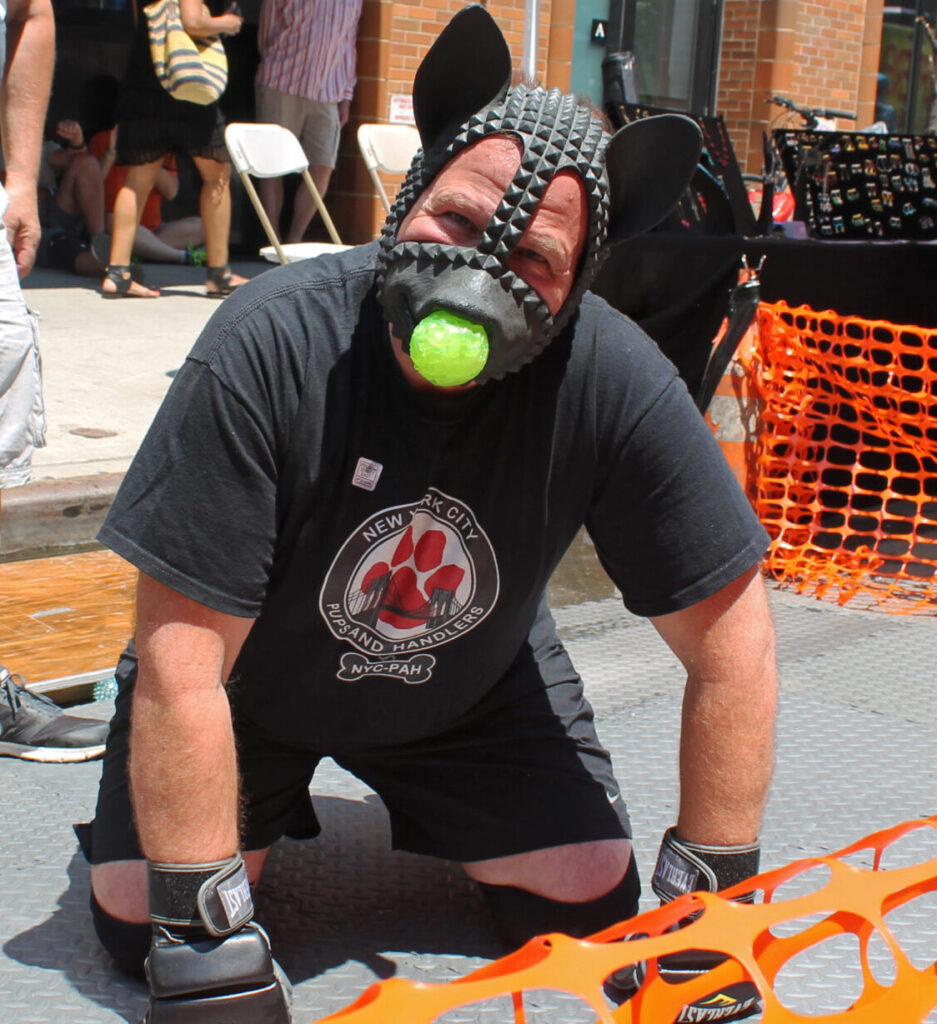
Pups roleplay with the intention of entering a specific headspace described as “pup headspace,” “pupspace,” or “pupping out” (Langdridge and Lawson 2019Matchett and Berkowitz 2023Wignall and McCormack 2017). Pupspace, which is a type of subspace, is a state of mind that helps participants feel completely immersed in their role. By entering pupspace, individuals focus intensely on the present, letting all other thoughts and worries fade away (Langdridge and Lawson 2019). Accessing pupspace can be challenging for some pups, as it requires deep concentration and skilled roleplayProfile view of a person wearing a black and white pup hood. (Matchett and Berkowitz 2023). Gear plays an essential role in helping people enter pupspace (Langdridge and Lawson 2019Matchett and Berkowitz 2023). Pups may dress in collars, tails, mitts, or knee pads to enhance the experience of being a puppy. The most essential piece of gear is the hood (Matchett and Berkowitz 2023). The hood – which consists of ears, a muzzle, eye holes, and typically covers the entire head and face – alters an individual’s senses such as vision and hearing, helping transport them into the desired headspace.
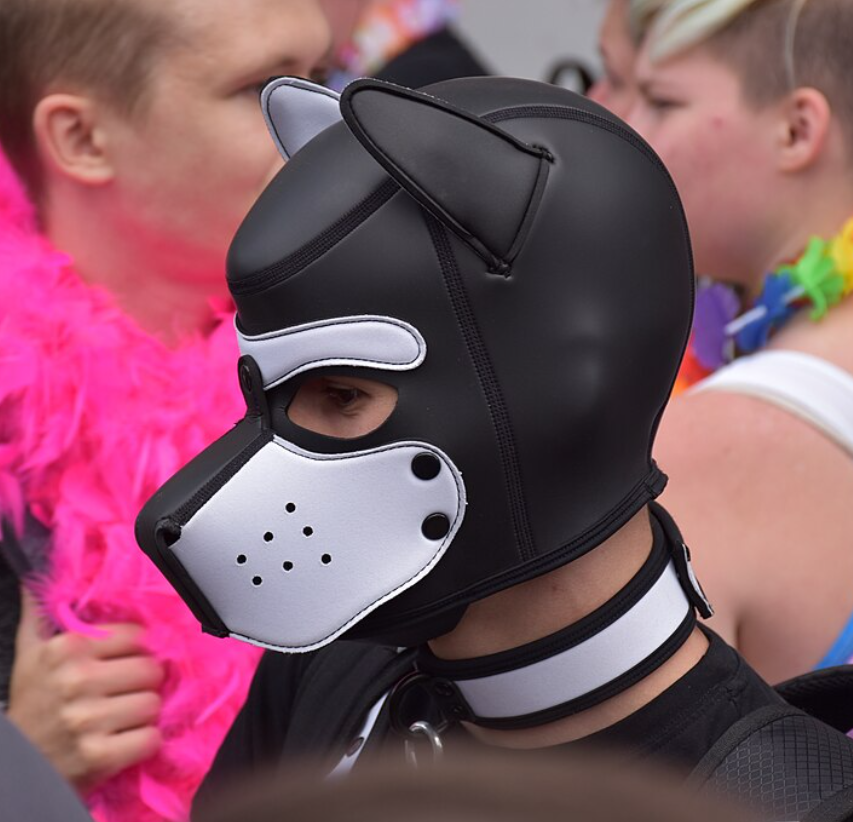
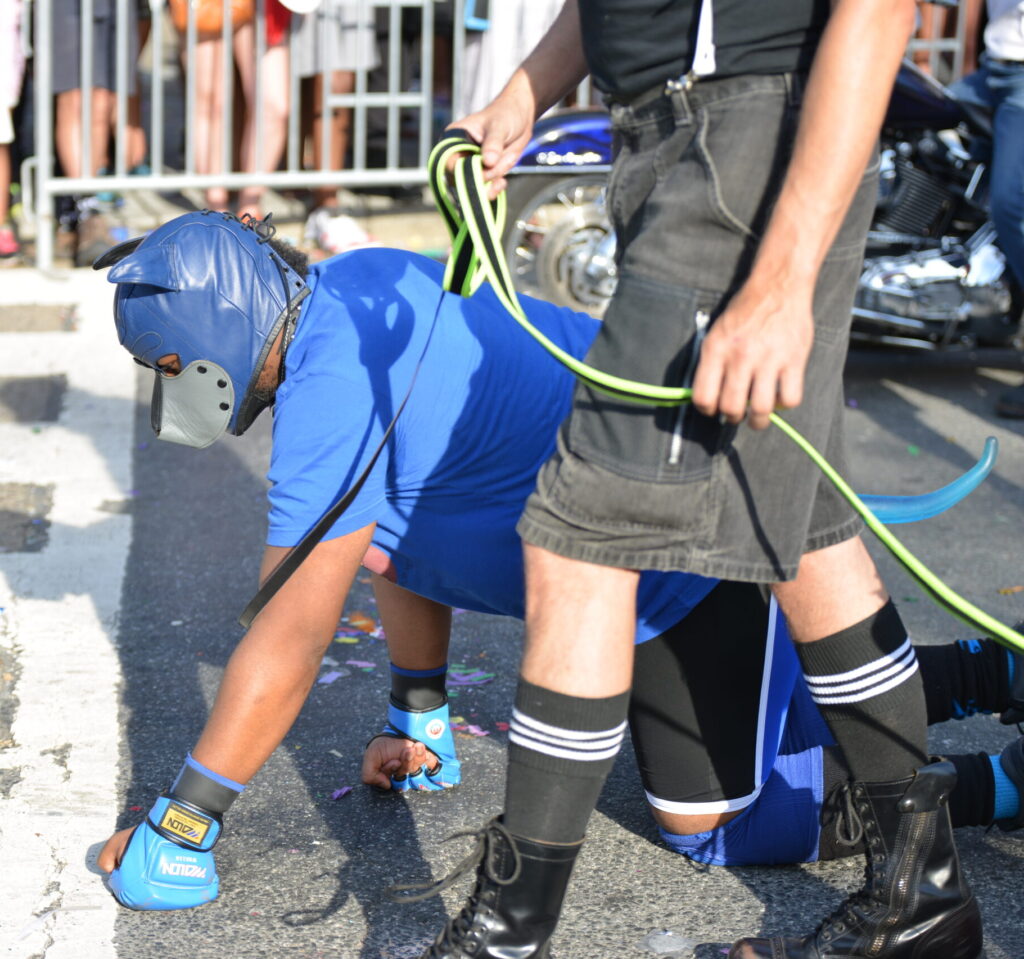
“And then finally pulling on this tight leather hood that I’ve got that literally has a dogs face, muzzle... so normally when I pull the hood on for myself that is very much that’s the point where I kind of allow myself to shed the ability to talk... it kind of allows me then to almost Zen like enter a much more preverbal state; I stop talking so I stop thinking in words and it becomes a much more emotional primal headspace that I allow myself to then fall into.”

A person in blue pup gear walking on all fours on pavement. Another person standing besides them holds a leash.
Capital Pride Parade, DC. Photo by S Pakhrin on Wikimedia Commons, June 11, 2016.

Identity

For some, pup play is a way to explore one’s identity. Pups often create a pup persona that they roleplay as, constructing a distinct personality and style for their character (Matchett and Berkowitz 2023). Some pups find that they learn from acting out this character, and then make an effort to incorporate aspects of their pup persona into their human identity (Langdridge and Lawson 2019Matchett and Berkowitz 2023).

“I think I realized at some point last year, that actually my pup self is leaking into my human self; there are a lot of strengths that my pup self has… so it gave me more confidence to take more risks and to be a bit more brash with myself in my day-to-day life.”
Samson, Europe, 35 yrs
(Langdridge and Lawson 2019)

Community

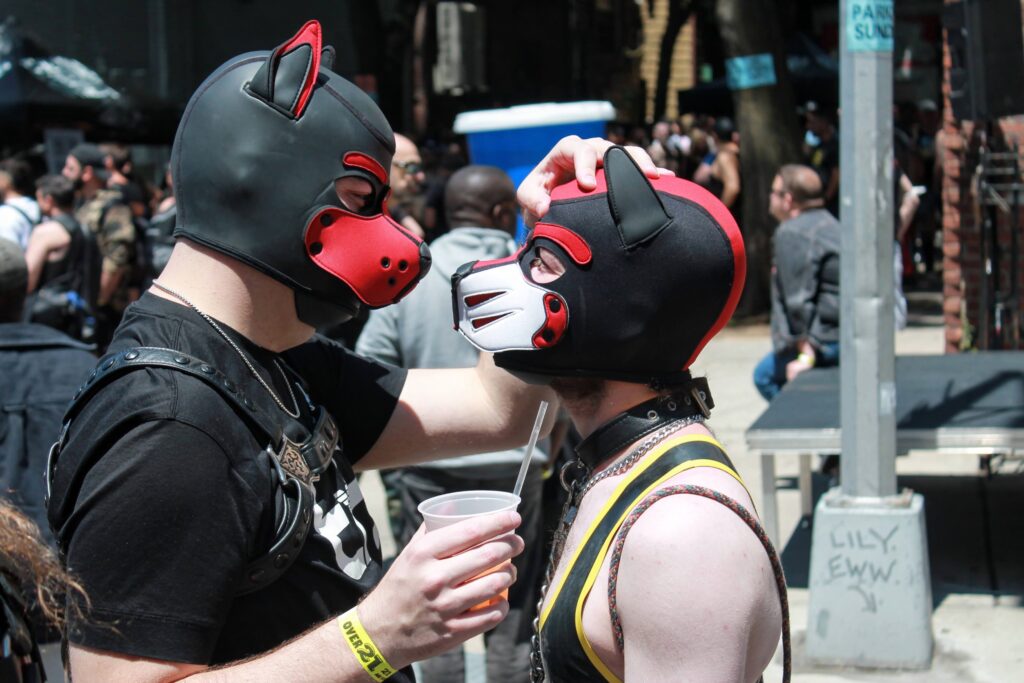
Forming relationships and building community is essential to the puppy play experience (Langdridge and Lawson 2019Lawson and Langdridge 2019Matchett and Berkowitz 2023). Langdridge and Lawnson (2019) describe pup play as “inherently relational,” as it involves forming “deep and meaningful” bonds with other pups, packs, and handlers. Many participants feel strong sentiments of trust and affection for their handlers or packs, comparing these relationships to family.

Profile view of two pups in red and black hoods facing each other. The pup on the left is slightly taller and is resting his hand on the other person's head. The pup on the right looks up at the other.
Pup couple. Photo by istolethetv on Flickr, June 20, 2022.

Participants build and maintain their communities both in-person and online, creating networks that facilitate socialization and the transmission of shared knowledge (Matchett and Berkowski 2023). Social media and messaging apps, including Instagram, Facebook, Twitter, Reddit, Telegram, FetLife, Recon, Scruff, and Grindr are all used by pups and handlers to communicate.

Misconceptions

While participants of puppy play adopt the characteristics of dogs, it is important to note that pups do not see this practice as just “pretending to be a dog” (Langdridge and Lawson 2019). Pups do not actually believe they are dogs, and no actual animals are involved in pup play. Furthermore, the majority of pups do not see pup play as zoophilic– participants are still human, and most do not desire to involve real animals in sexual acts (Wignall and McCormack 2017).

Themes

Consumerism and Commodification

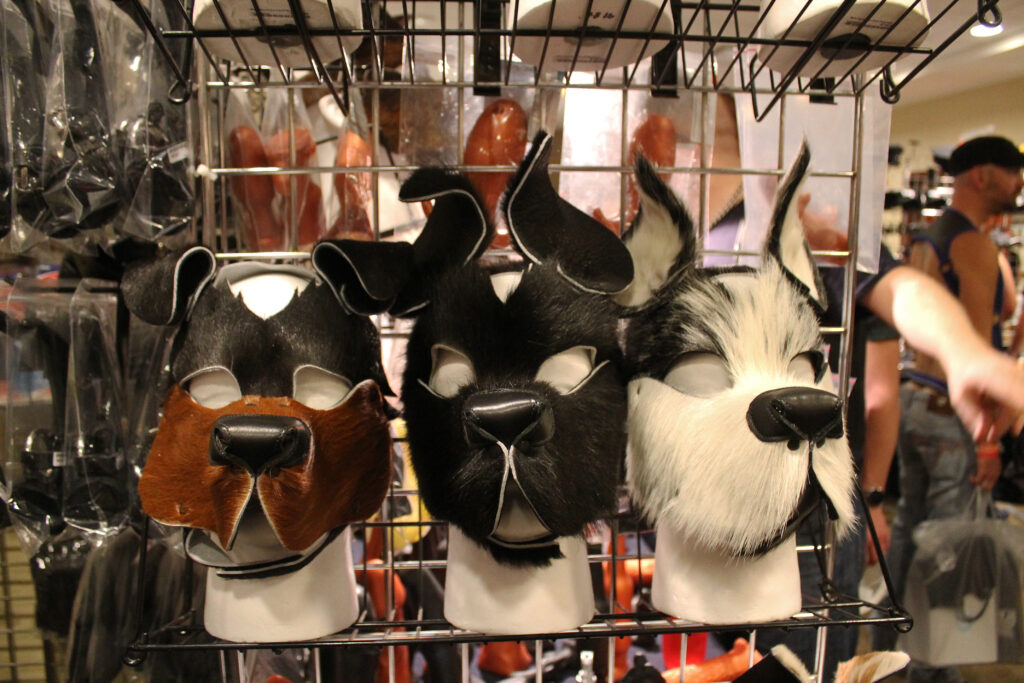
Pup play has features of “consumer sexuality,” in which sexual identity and capitalism are intertwined (Matchett and Berkowitz 2023). The importance of gear in puppy play requires that pups be able to purchase hoods, as well as any other gear like collars, tails, or mitts that enhance the experience. These items can be quite expensive– while a rudimentary hood can be purchased on Amazon for $30 or less, high-quality neoprene hoods start at $99.95, and leather hoods sell for $389.95. Thus, puppy gear is not always easily accessible, influencing who participates in pup play and who is considered an authentic pup (Lawson and Langdridge 2019Matchett and Berkowitz 2023).

Three different pup hoods displayed in a row at a store. The left one is black with a brown muzzle, the middle one is all black with curled ears, and the right one is mostly white with black, resembling a husky.
"tres peros." Photo by istolethetv on Flickr, January 19, 2015.

Commodification of subcultures, or the process of turning a subculture into a product, is prominent under the conditions of capitalism. Currently, there is no evidence of the appropriation of pup play by corporations. However, as the subculture continues to grow in popularity, there is more opportunity for retailers to profit from it. 

Stigma

As a part of the kink and BDSM scene, pup play is a highly stigmatized subculture. In a culture where conventional sex is established as the norm, participants face judgment from others (Stiles and Clark 2011). Stiles and Clark (2011) explore the impacts of stigma on participants in BDSM and find that individuals must negotiate their identities by concealing information about themselves. They find six levels of concealment: absolute (revealing BDSM lifestyle to no one), thorough (revealing only to close friends), scrupulous (revealing only to family members), partial (revealing to some friends and family), fractional (revealing only to one or two people), and open (no concealment). Furthermore, individuals conceal their identity for self-protection or to protect others, for the fear of their identity affecting their professional life, affecting their relationships with friends and family, or simply to not make others uncomfortable.


Pups and handlers have expressed how they conceal (and reveal) their involvement in pup play. Many individuals limit what they disclose to their family and friends, choosing to reveal their participation in pup play but leaving out specific details, while others are completely open about it (Wignall and McCormack 2017). The following quotes show the differences in pups’ attitudes towards concealing their identity:

“I like the idea that it’s my own little escape place. It’s nice chatting to other pups about pup play online, but I don’t feel the need to share it with anybody.”

“I’ve always been very open and not scared to say what I want. When my pup hood arrived, I unwrapped it and showed my dad in excitement.”

Puppy play is unique in that participants manage their identity in an effort to avoid the association of puppy play with zoophiles and furries (Wignall and McCormack 2017). Pups and handlers make an effort to distinguish their activity from bestiality and the furry community due to their negative cultural associations. For most pups and handlers, pup play is completely separate from either of these identities. 

"make fetch happen." Photo by istolethetv on Flicker, uploaded on June 20, 2016.
Three people in pup hoods at a pride parade.
Christopher Street Day in Halle. Photo by Ralf Lotys on Wikipedia Commons, 11 September 2021.
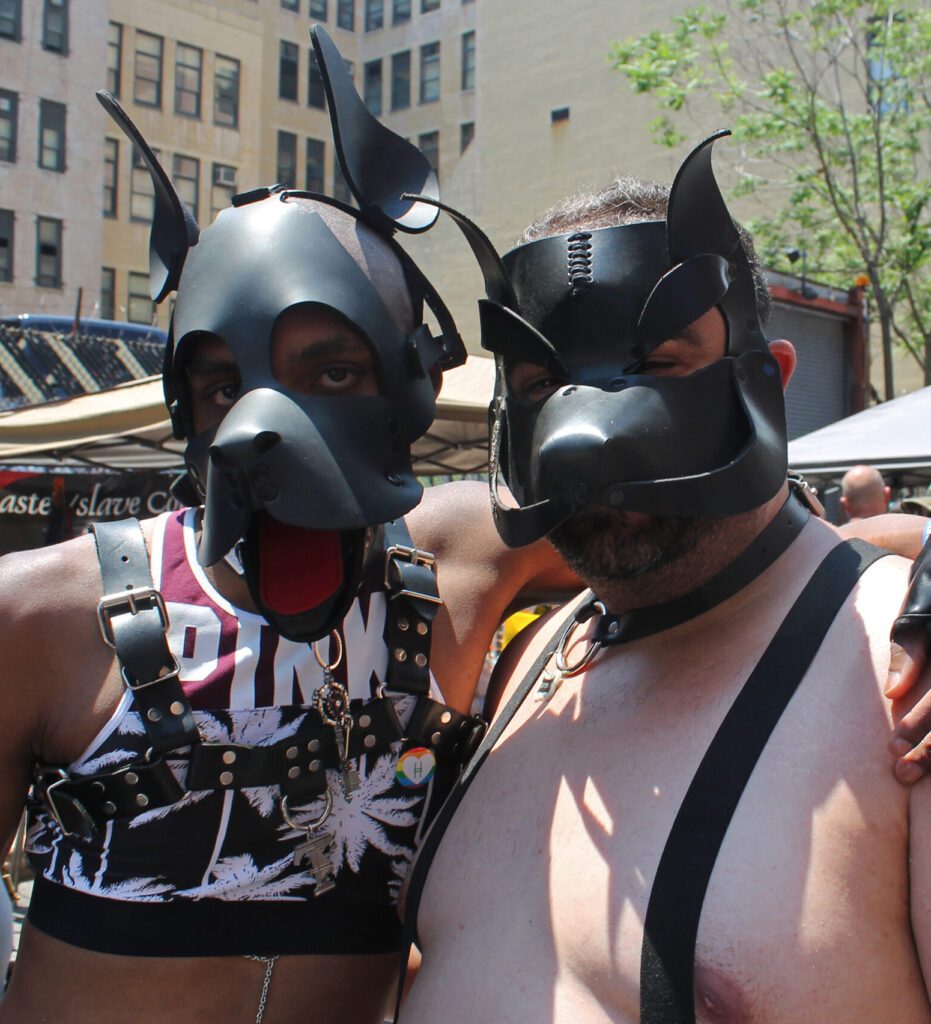
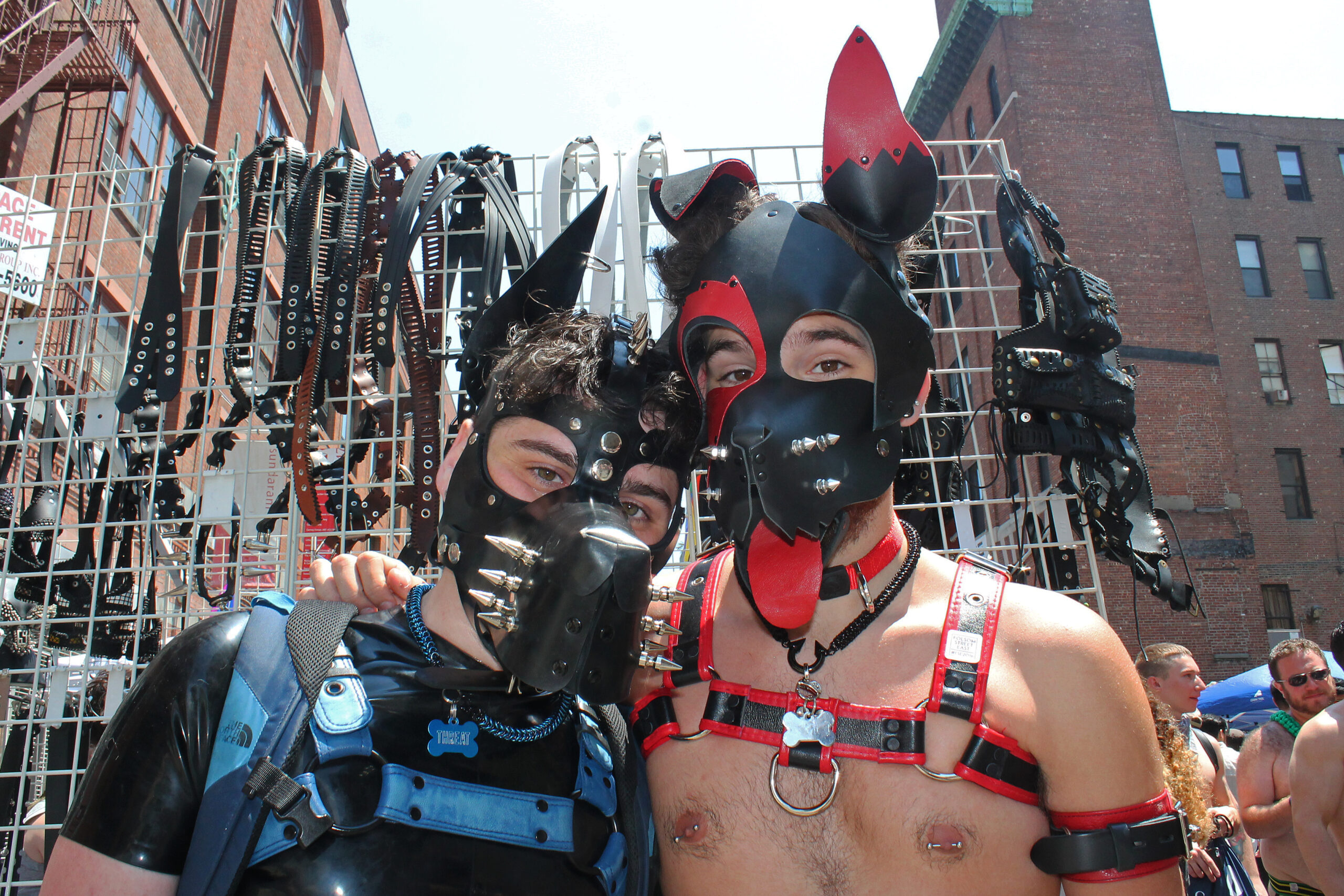
Two people wearing black pup hoods pose at a festival. The person on the left has their arm around the person on the right.
"all ears." Photo by istolethetv on Flickr, June 20, 2016.

Media

Secret Life of the Human Pups

A documentary from the UK providing a “behind-the-scenes” look at pup play. Watch a clip from the film here.

“Pup Play: Kink communities can help people build connections and improve their body image” by Phillip Joy and Kinda Wassef

An article from 2023 that describes pup play and an ongoing project titled “Puppy Philms” that explores the connection between being a pup and the body.


“Pup Play: Finding freedom in a dog mask” by Ben Brock Johnson and Amory Sivertson

A podcast detailing the origins of pup play and how the community has expanded.

Other Resources

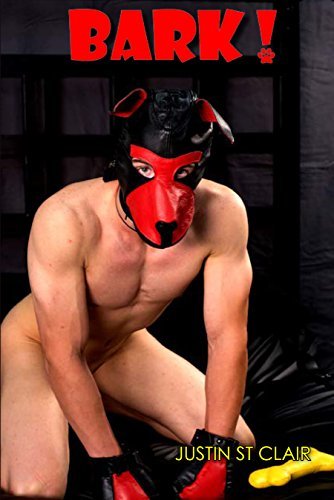
Cover of Bark!, showing a mostly-nude person kneeling on the ground against a black background. The person is wearing a black and red pup hood and gloves.

Bark! by Justin St. Clair

book that explores the pup play movement in the last decade, covering the history of the subculture and then discussing observations about pup play today and advice for pups and handlers.

Picture of Farrstrider from their blog. He is wearing a black pup hood and a blue shirt with the word "PUP" in black lettering.

Farrstrider’s Bark Lounge

An educational blog about pup play, from the perspective of a pup named Farrstrider.

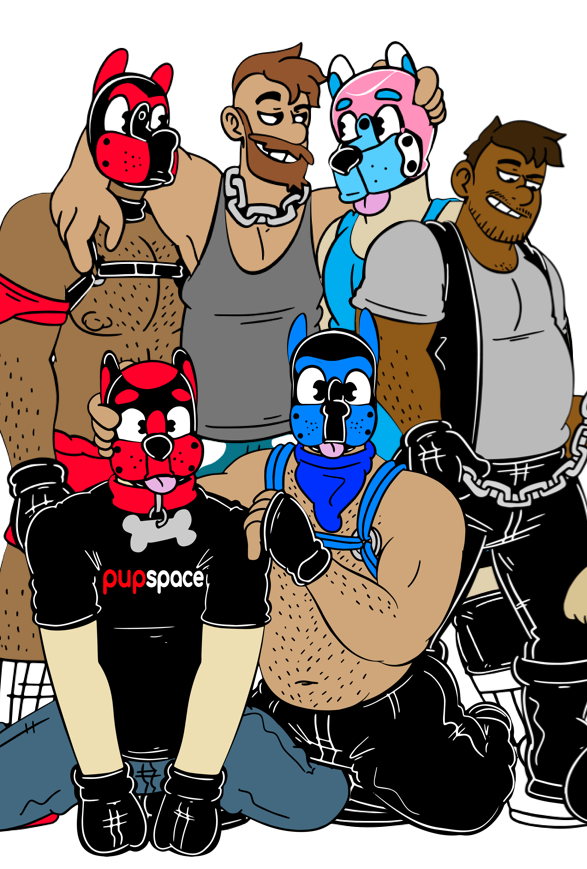
Screenshot from Pupspace, showing a cartoon-style drawing of four pups in hoods and two handlers.

Pupspace

website for the pup play community to connect online, featuring a mobile app that helps participants find other pups and handlers in their area.

Nerdy Doggo: All Things Puppy Play, Handlers, Pets And All In-Between

website that provides educational resources about pup play.

References

Langdridge, Darren and Jamie Lawson. 2019. “The Psychology of Puppy Play: A Phenomenological Investigation.” Archives of Sexual Behavior 48:2201-2215. https://doi.org/10.1007/s10508-019-01476-1.

Lawson, Jamie and Darren Langdridge. 2019. “History, culture and practice of puppy play.” Sexualities 23(4):574-591. https://doi.org/10.1177/1363460719839914.

Matchett, Robert M. and Dana Berkowitz. 2023. “Play, Performativity, and the Production of a Pup Identity in the United States.” Pp. 75-93 in The Power of BDSM: Play, Communities, and Consent in the 21st Century. Edited by B. Simula, R. Bauer, and L. Wignall. New York: Oxford Academia. https://doi.org/10.1093/oso/9780197658598.003.0005

Stiles, Beverly L. and Robert E. Clark. 2011. “BDSM: A Subcultural Analysis of Sacrifices and Delights.” Deviant Behavior 32(2):158-189. https://doi.org/10.1080/01639621003748605

Wignall, Liam and Mark McCormack. 2017. “An Exploratory Study of a New Kink Activity: ‘Pup Play.’” Archives of Sexual Behavior 46:801-811. https://doi.org/10.1007/s10508-015-0636-8

Wignall, Liam, Mark McCormack, Taylor Cook, and Rusi Jaspal Findings. 2022. “From a Community Survey of Individuals Who Engage in Pup Play.” Archives of Sexual Behavior 51:3637–3646. https://doi.org/10.1007/s10508-021-02225-z.


Page Citation: King-Levine, Parris. 2024. “Pup Play.” Subcultures and Sociology. Retrieved [date viewed]. (https://haenfler.sites.grinnell.edu/pup-play/)

The views and opinions expressed on individual web pages are strictly those of their authors and are not official statements of Grinnell College. Copyright Statement.