Fandoms and Participatory Culture

Table of Contents

The Theory of Fandoms and Participatory Cultures

From an outside perspective, fandoms and participatory cultures are full of bizarre activities and traditions. In more mainstream fandoms, people may dress up as their favorite anime characters at cosplay conventions. However, there are more eccentric fandoms such as the otherkin which believe themselves to have the soul of non-human entities such as animals, mythical creatures, or aliens and they reaffirm their beliefs through collective rituals and practices. In these instances, the definition of a fandom is stretched to its maximum and one may fail to see the distinction between a fandom and a cult. So, what exactly constitutes a fandom? Who is accepted in these social groups and why do they exist? 

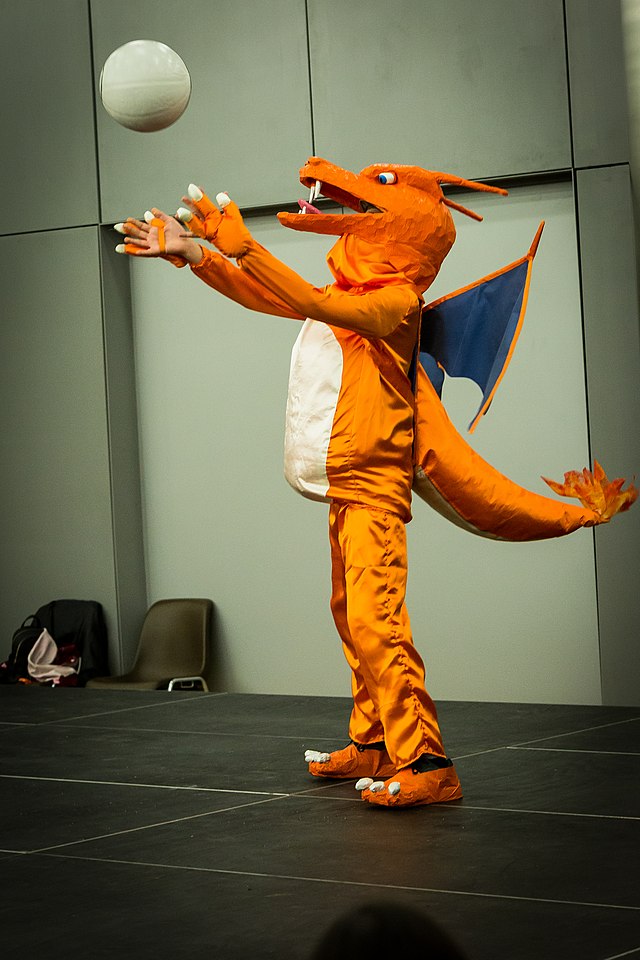
Man dressed as Charizard from Pokemon throwing a ball into the air.
Charizard cosplayer
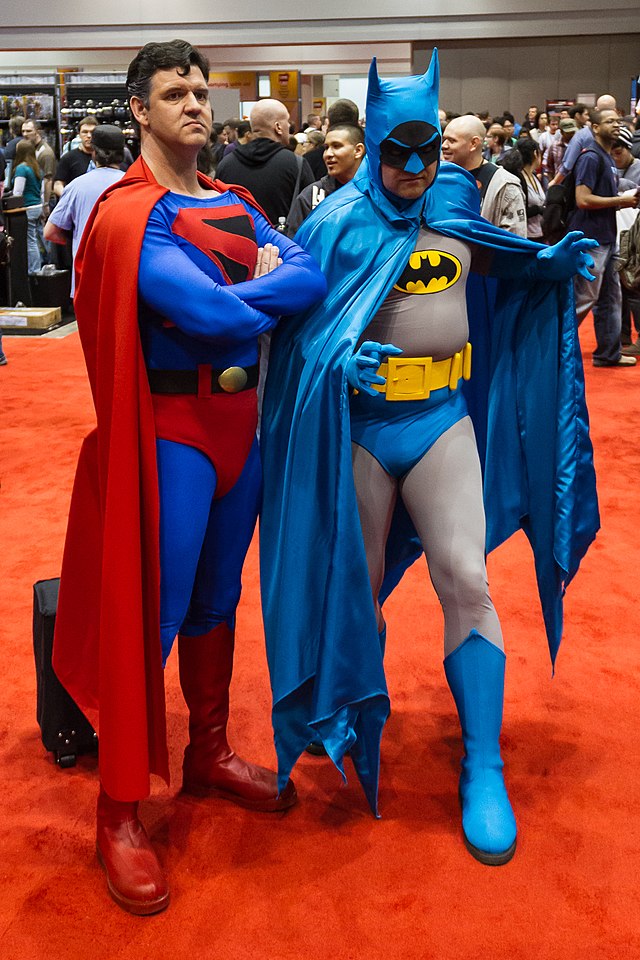
Two adult men dressed as Superman and Batman posing for a picture
Superman and Batman cosplayers at a convention
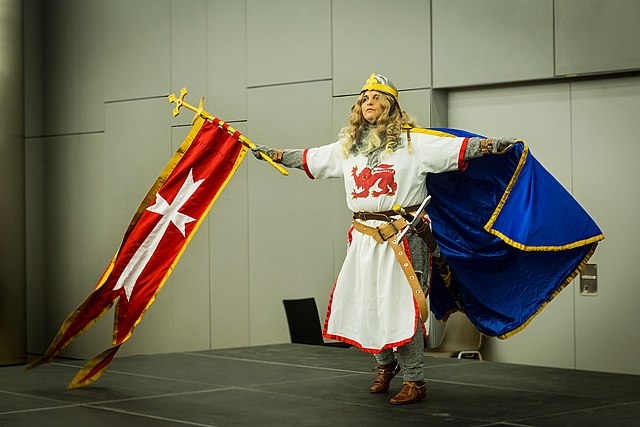
Woman dressed in medieval attire waving a flag with a cross.
Woman dressed in a medieval outfit

To begin, a fandom is a group of people who actively follow and engage with a form of media. They interact regularly with their community and the products created by people involved in the area of interest. This is because participants of a fandom have an increased level of devotion, passion, engagement, and a greater level of their identity defined by their fandom. Those who identify as being in a fandom are in a different category than people who consider themselves as simple fans. There is a distinction to be made between fandoms and participatory cultures because while these terms are sometimes used interchangeably they can manifest in slightly different ways. Fandoms are a type of participatory culture that is typically associated with media properties and can place less of an emphasis on the interactions between people that share these interests. Participatory cultures can involve a greater range of potential activities and an individual’s reason for being involved in the culture can be more oriented around learning, self-expression, and social connection. They both can be extremely subcultural in the way they manifest with non-normative behavior, emphasis on authenticity, tribal attitudes, and an unorthodox network of sharing information  (Haenfler 2014, Hill 2002). Regardless of the specific term used, there are two distinct perspectives on fandoms and participatory cultures. Some consider it a form of entertainment and leisure activity while others consider it a lifestyle and part of their identity (Guschwan 2012). 

Fandom, after all, is born of a balance between fascination and frustration: if media content didn't fascinate us, there would be no desire to engage with it; but if it didn't frustrate us on some level, there would be no drive to rewrite or remake it.

For those who consider it an identity, the form of media they are interested in becomes a quantifiable part of their lives as they build social circles and connections around it. For example, some people in the brony fandom decorate their cars with the characters even when it prompts violence from others for the sake of advertising their love for the series (Lancie, 2020). As put by Henry Jenkins (2007), “In the old days, the ideal consumer watched television, bought products, and didn’t talk back. Today, the ideal consumer talks up the program and spreads word about the brand.” Fandoms are a driving force for marketing in modern society and capitalizing on these kinds of people is increasingly important for business. These kinds of people can be considered meaning makers in the context of their fandom. They shape their relationship with their fandom in a specific way to achieve a goal such as resistance or creating and belonging to a meaningful community.

Image from Bronycon where a bunch of people dressed in bright colors are grouped together for a picture
Image from the famous Bronycon convention which was an iconic fandom in the mid-2010s

For more leisurely members of fandoms, their love for their form of media may come through different and more discrete channels. For example, fanfiction.net is a site where countless people have written millions of fanfiction pieces changing or adding on to their favorite movies, cartoons, video games, and more. While these people may not advertise their interests as intensely as others, their interaction with their community is still at a much deeper level than the average fan (Tiffany 2022). These types of people may not be trying to accomplish any particular goal, rather they are buying into and enjoying parts of culture that have been pacified through targeting marketing and consumerism.

Additionally, authenticity is a crucial aspect of all fandoms through “gatekeeping” which is where some members of a fandom consider themselves more loyal than other fans. This is an even greater issue in fandoms that are more socially accepted and mainstream, where some members of a fandom will look down on others as being completely unoriginal and unworthy of being included in the fandom (Davis 2015). For example, in cosplay fandoms attractive women who participate are often looked down upon as capitalizing on the male gaze and conventional beauty standards for attention or profits rather than a true love for their cosplay character. In other situations where fandoms are oriented around mainstream resistance, the authenticity of a member of a fandom may be judged on their active behaviors (Hills 2017). For example, the Star Wars fandom has been centered around Regardless of the true intentions of members of a fandom, authenticity is a constant source of conflict within subcultures. Similar to many other areas of life, there is a hierarchy involved in these social groups that can lead to a level of engagement and loyalty that is extremely bizarre to those who are not involved in the scene. While this behavior can quickly become toxic, the essential aspect of fandom culture is the desire to spread the word and become more deeply involved with a form of media that a person finds fulfilling.

Examples of Fandoms and Participatory Cultures

Taylor Swift Fans “Swifties”

 
The Taylor Swift fandom is one of the most common fan groups in this day and age. When thinking of fandoms that are passionate and immensely dedicated, Swifites are typically at the forefront of one’s mind. These fans not only connect on an interpersonal level by attending concerts and buying Taylor Swift merchandise but also on a digital level with blogs and social media accounts related to Taylor Swift content. Fan accounts have also become popular; in these digital spaces, Swifties will share fan art and Taylor Swift updates and In addition to this, Taylor Swift herself will use platforms like “Twitter” and “Instagram” to stay in touch with her fans and give them updates on potential release dates and or tour announcements.
 

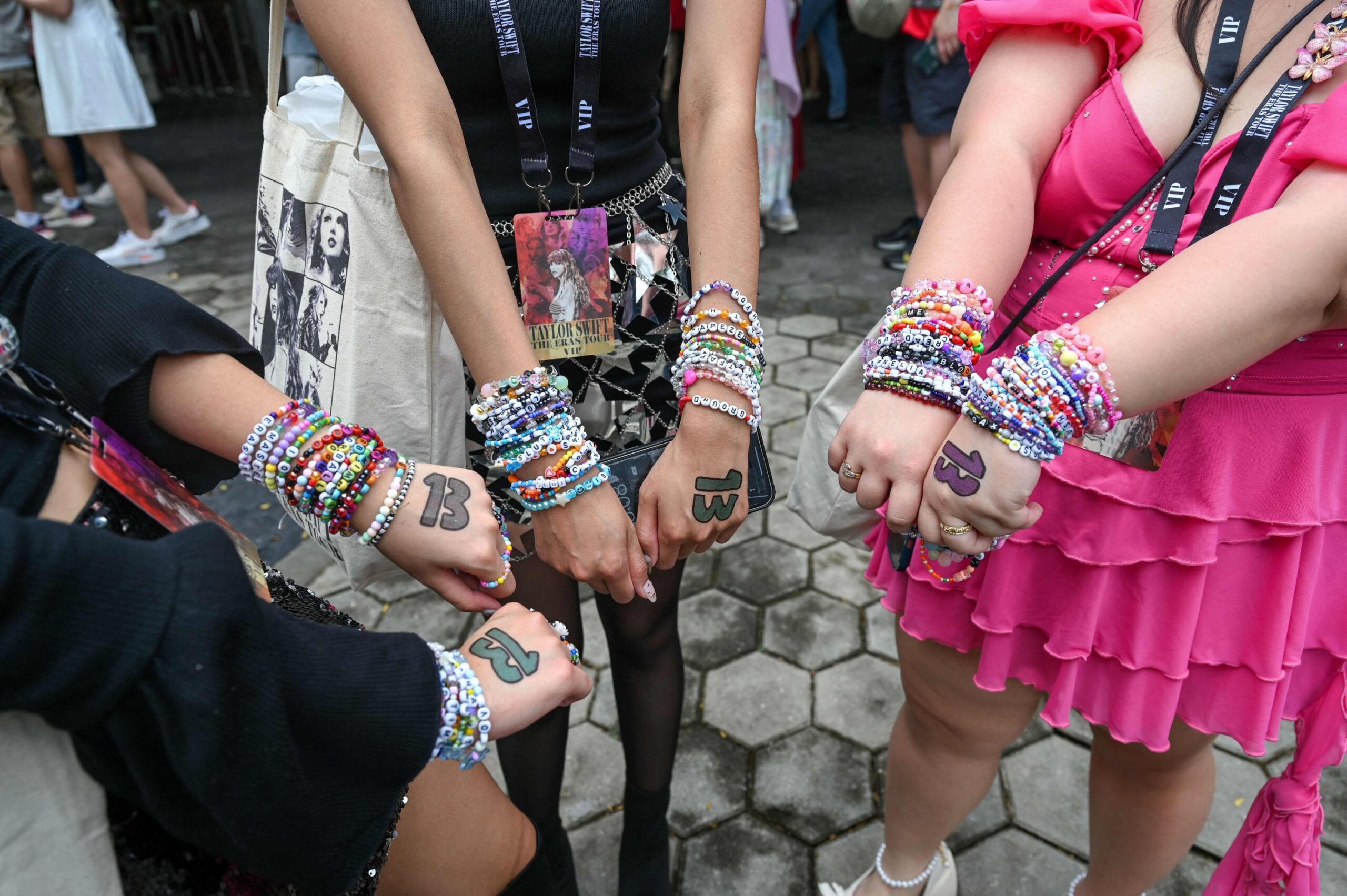
The Swiftie fandom is also well known for their elaborate “fan projects” that consist of world wide Swiftie engagement. The most recent ( and ongoing) fan project is bracelet trading; fans would make bracelets that are Taylor Swift themed, and trade them with other fans in theaters when going to watch “The Eras Tour” movie. This project united TayloSwifties at the National Statium in Singapore, showing off the handmade bracelets they trades before the "Era" Tour concert on march 2, 2024r Swift fans as they were able to share their love for Taylor Swift in a unique and personal way. Thus, perpetuating her legacy. 


Those who label themselves “Swifties” are intensely committed to supporting Taylor Swift’s legacy. In essence, for them, it goes far beyond just enjoying her music. For a Swiftie, following Taylor Swift is a time consuming lifestyle. Self proclaimed Swiftie Kendall Richter writes in a blog post. “Swift has been a huge part of my life for such a long time and her songs have really been there for me during the highs and lows of my adolescence”. This is a sentiment that his shared among most of not all Swifties, as Taylor Swift releases music that speaks to the many complicated emotions that come with growing up as well as falling in love.


 Tik Tok: Fan Presence in Social Media

Fandoms have digitized their communities by making spaces on social media platforms where they can share their love for their desired group. This way, fans from all over the world can bond over their love for a common artist, series or subculture. One of the most modern examples of these spaces is the app “Tik Tok” (Dreissen 2024).  In a conversation about the app, one might hear someone reference the various “sides” of Tik Tok; this is because it is home to content for millions of fandoms and subcultures. Some examples of these “sides” are Witchtok, JewTok, and DanceTok (Maddox 2023). 


Content on Tik Tok is open for anyone to engage with, however, each algorithm is curated to the person watching and therefore a person will almost exclusively see what they spend the most time looking at on the app, unless they search for something else. 


Users willingly  engage with and contribute to content creation on the app. No one is by any means obligated to create and or engage with what is on the app. This contributes to the participatory nature of the app. The trend and video styles vary based on what is prevalent in the pop culture realm. Depending on what side of Tik Tok you are on, influencers who are deemed “Tik Tok famous” will use their platform to advertise products and brands or to talk about social issues occuring in the world, they also (not all, but a fair amount) invent dances that go viral and are replicated by other users of the app. 


What Side of TikTok Are You On? Buzzfeed Quiz


Fan Fiction as a Participatory Culture: Archive of Our Own

Fan fiction is a quintessential example of participatory culture as it embodies creativity, collaboration and community engagement. Fan fiction are stories written by fans of a particular group that allow them to expand and reimagine the world in which they have immersed themselves. Across all fandoms and interest groups one can probably find some version of fan fiction online. Some fan fiction writers write in canon (remaining true to the story’s plot line), others deviate from canon and create scenarios in which characters have different relationships or personalities. One of the main platforms where fan fiction is distributed is  a website called “Archive of Our Own”. AO3 is home to fan fiction written about millions of fandoms. Fanfiction authors use this platform to give their stories a larger audience. All in all, it is a fun way to expand and further immerse oneself in a fandom. 


The Fandom Freak: Henry Guy Jenkins III

Henry Guy Jenkins III is the Provost Professor of Communication, Journalism, Cinematic Arts, and Education at the University of Southern California. He also worked as the Director of the MIT Comparative Studies Program where he led initiatives that apply critical analysis to various parts of culture, society, and media. Jenkins writes extensively about cinema, television, comics and online communities specifically within an American context. He has written over twenty books about fandom culture and was one of the first scholars to identify and study the active role of audiences in modern culture. He has received numerous awards for his extensive work on fandoms and participatory culture including the B. Aubrey Fisher Mentorship Award from the International Communication Association, the Jessie McCanse Award from the National Telemedia Council, an honorary doctorate from Uppsala University, and the ICA Fellows Book Award for Convergence Culture: Where Old and New Media Collide.

Photograph of Henry Jenkins

Scholarship

Davis, L. (2015). Football fandom and authenticity: a critical discussion of historical and contemporary perspectives. Soccer & Society, 16(2–3), 422–436. https://doi.org/10.1080/14660970.2014.961381


Driessen, S., Jones, B., & Litherland, B. (2024). From fan citizenship to ‘fanspiracies’: Politics and participatory cultures in times of crisis? Convergence, 30(1), 304-312. https://doi.org/10.1177/13548565241236005


Guschwan, M. (2012). Fandom, brandom and the limits of participatory culture. Journal of Consumer Culture, 12(1), 19-40. https://doi.org/10.1177/1469540512438154


Hills, M. (2017). From Fan Culture/Community to the Fan World: Possible Pathways and Ways of Having Done Fandom. Palabra Clave 20(4), 856-883. DOI: 10.5294/pa-cla.2017.20.4.2 


Jenkins, H. (2006). Convergence Culture: Where Old and New Media Collide. New York University Press. 


Jenkins, H. (2007). Fandom: Identities and communities in a mediated world. New York University Press. 357-364.


Jenkins, H., Ford, S., and Green J. (2013) “Spreadable Media Creating Value and Meaning in a Networked Culture”, Postmillenium Pop, New York University Press, Vol. 15 https://doi.org/10.18574/nyu/9780814743515.001.0001


Kligler-Vilenchik, N. and Shresthova S. (2014). “Feel That You Are Doing Something”: Participatory Culture Civics. Transdisciplinary Journal of Cultural Participation, vol. 1, no. 1. ISSN 2246-3755


Lancie, J. D. (2020). Bronies: The Extremely Unexpected Adult Fans of My Little Pony. April 23, 2024. https://www.youtube.com/watch?v=9k4WjwNrits


Maddox, J., & Gill, F. (2023). Assembling “Sides” of TikTok: Examining Community, Culture, and Interface through a BookTok Case Study. Social Media + Society, 9(4). https://doi.org/10.1177/20563051231213565


Thomas, P. (2016). Wikipedia and Participatory Culture: Why Fans Edit. Transformative Works and Cultures, no. 22. http://dx.doi.org/10.3983/twc.2016.0902.


Tiffany, K. (2022). Everything I Need I Get from You: How Fangirls Created the Internet as We Know It. United States: Farrar, Straus and Giroux.

Soccer and Society Cover Page
Convergence Cover Page
Journal Of Consumer Culture Cover Page
Palabra Clave Cover Page
Cover of cited book, shows an old iPod in front of a wall of lights
Transdisciplinary Journal of Cultural Participation cover page
Bronies Documentary Poster
Social Media and Society Cover Page
Title Cover for "Everything I Need to Get From You: How Fangirls Created the Internet as We Know It" by Kaitlyn Tiffany

Carpenter, Kevin. Ovelar, Indigo. Rodriguez, Nuri. 2024. “Fandoms and Participatory Cultures) [Date Viewed] https://haenfler.sites.grinnell.edu/fandom-culture-theories/

The views and opinions expressed on individual web pages are strictly those of their authors and are not official statements of Grinnell College. Copyright Statement.