With the rapid evolution of technology and integration of digital spaces in a growing number of people’s lives, many aspects of interaction and community have drastically changed in a short time span. This trend holds true for subcultures, with the internet revolutionizing how people engage with subcultures. Social media plays a major role here, opening a digital space in harmony with the “traditional” physical space, forming a new experience for subculturists. Access to subcultures and their content has been digitalized and made prominent through social media, providing a new opportunity for both individuals looking for subcultures and subcultures looking for new members. It can be argued that given how much time people spend on social media that more subcultural activity occurs online than in real life. It stands that the intersection of these two ideas cannot be ignored, as a thorough analysis of subcultures now requires an understanding of how any given subculture exists on the internet and through media (Haenfler 2023).
With much of subcultural activity being online, a central idea of authenticity in subcultural study is brought up repeatedly as subculturists navigate their membership in their subcultures. The online landscape has also given rise to new found commercialization in subcultures, an aspect that connects to core ideas of authenticity and style, and how that may be changing the scene in some subcultures. Social media and the internet has also changed the spaces where subculturists occupy, resulting in a handful of subcultures that are largely online and are based around politics and harmful ideologies.
Social media is the ultimate equaliser. It gives a voice and a platform to anyone willing to engage.
Amy Jo Martin, Founder and CEO of Digital Royalty
Access into subcultures and subcultural practices and knowledge has been facilitated to levels unseen before the internet. To engage in subculturists activities, many individuals in a pre-technological world had to do so physically; hear live music at a concert, watch tricks at a skatepark, search for albums in a store. Engaging in these activities meant accumulating specific knowledge and experiences over time, affirming their belonging in the subculture. Individuals may not even have to leave their house to be exposed to subcultures, and the use of algorithms is extremely effective in getting certain content to social media users, amplifying this phenomenon. Social algorithms work to feed content to users based on their previous interactions, meaning that even a slight interest in something subcultural can lead to more targeted content relating to that subculture. Additionally, once a pattern is recognized by an algorithm, it can create the effect of an echo chamber, continually exposing user to subcultural material. Applying the idea of how algorithms impact subculturists’ initial interactions to subcultures given the online presence of subcultures and the substantial time spent on social media is an area of study that should be further investigated to coninutally improve our conceptions of how people are attracted to and find subcultures.
In this age of rapid technological advancement, the ability to share and archive knowledge through the internet and social media has transformed access to subcultures. Instead of having to fulfill the prerequisite condition of being in a physical space to obtain subcultural knowledge, an individual only has to access the internet through any of the many potential mediums to obtain nearly all of the information they could wish for. Mass media is given large credit for the ability to introduce a large number of non-subculturists to a subcult

ure with more niche media, like the magazine Thrasher, acting as an accepted guide to the subcultural world of skateboarding (Dupont 2020). But much of the interaction and presence on social media is a result of core members in the skateboarding subculture generating content. Skateboarders have adopted the use of the internet and social media to document many of the physical aspects of the subculture; tricks, spaces for skating, and the people. This documentation goes beyond historical preservation, as it has become a central part of the identity-creation process for skaters. The core individuals of skateboarding subculture, those who have shown their dedication to the lifestyle, are heavily invested in producing content that shows this, by displaying their
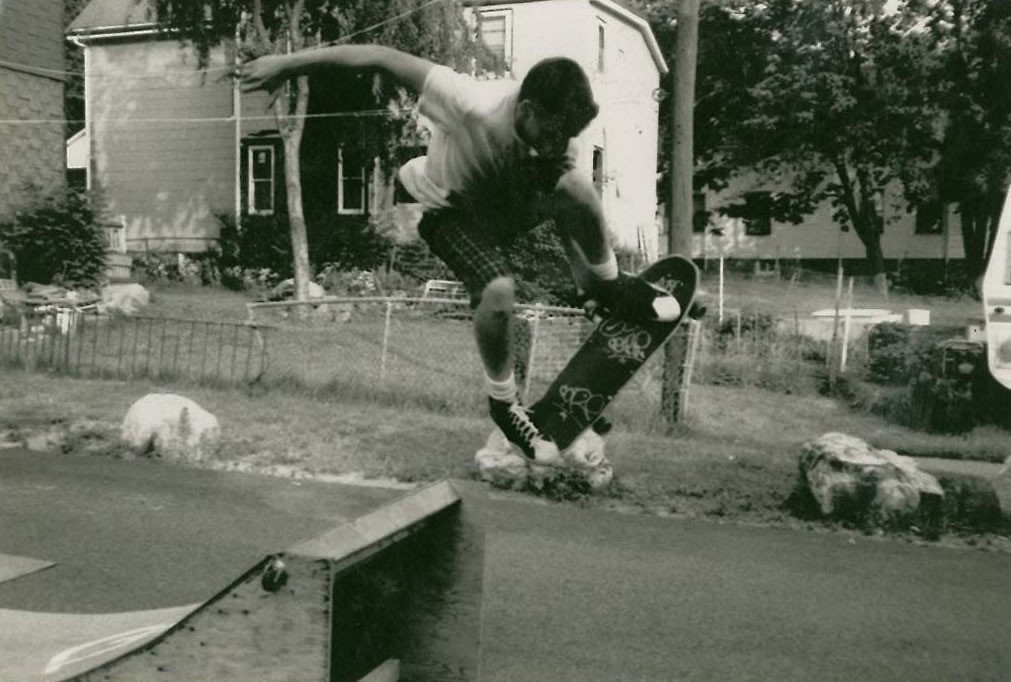
technical skills and their individualistic style that represents their subcultural capital and knowledge. Thus, a cycle of growing importance is placed on social media; media becomes more prominent and skaters feel they must produce content as affirming an act of authenticity, which then makes media become more important and prominent. For the individual outside of the subculture,the end result is an abundance of easily accessible content that provides an intimate insight to the subculture.
In many ways, subcultures finding subculturists and subculturists finding subcultures are two sides on the same coin of access. It is a two way street, with one party having the accessible content and the other party lacking but desiring that content. Looking at
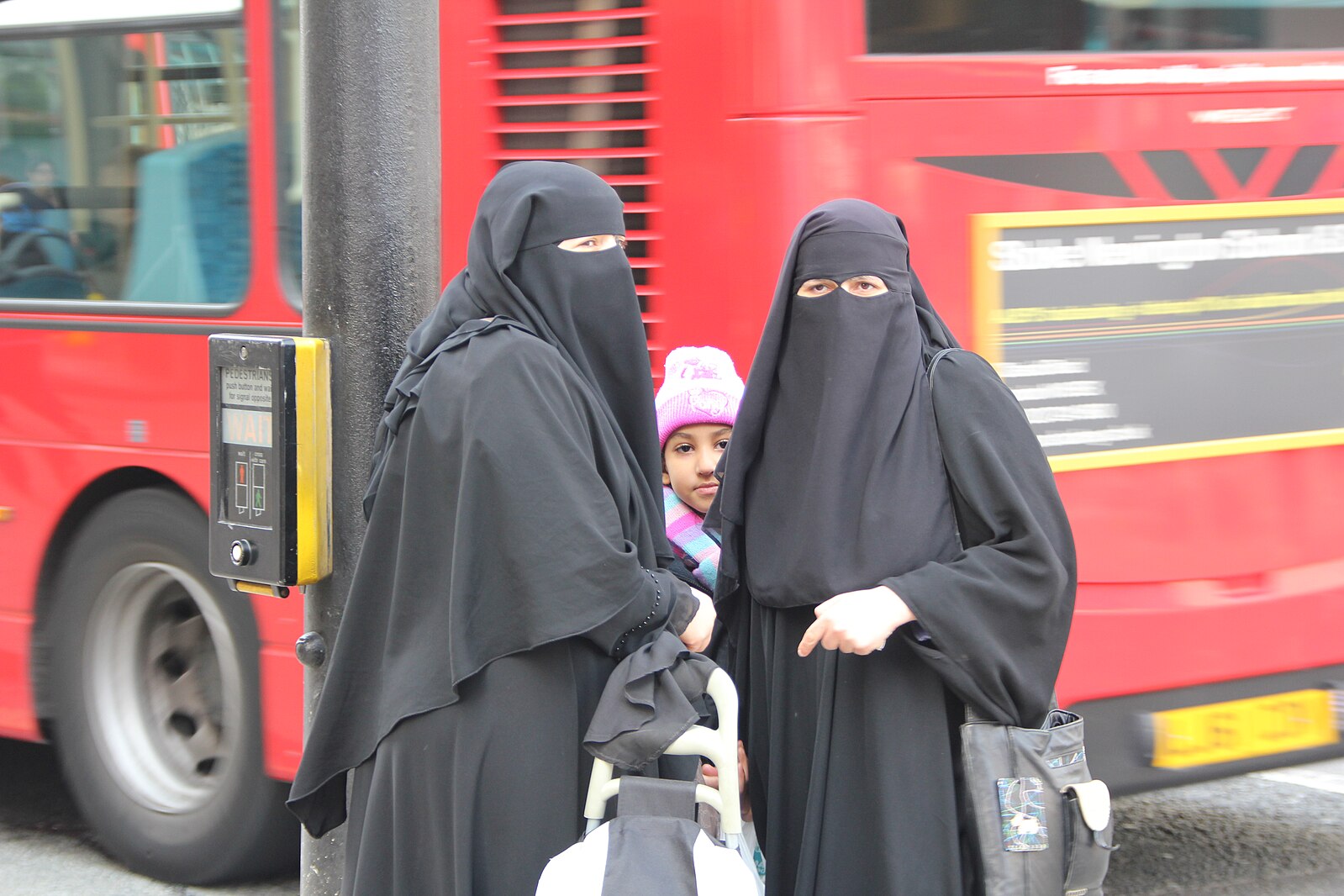
the previous example, skateboarders generate access via their content creation to potential or established subculturists through their media presence. However, this content is largely a result of the subculture doing it for the sake of subcultural identity and capital building, that is, the intention isn’t necessarily to reach people outside of the subculture. But this isn’t always the case. One clear example of this could be the Salafi movement in Indonesia, in which women use social media to inform others about their traditional views of Islam. This example is particularly poignant because they are often viewed as a “hidden community” due to their religious practices, but through social media are able to express their desire for others to follow their beliefs (Nisa 2013). The internet and social media provides the opportunity for outreach that wasn’t possible before. The global interconnectedness that followed from the advent of digital media cannot be understated here, as it broadened the “net” that subcultures cast to nearly anyone with access to the internet.
The recent insurgence of social media has caused a major uptick in discussion of commercialization, authenticity, and how subcultural participation has been modified because of these new outlets. Prior to the prevalence of social media subculturists often had to go out and find the groups they identified with on their own. This made a generation of subculturists that view themselves as completely authentic members, since they had to travel far and wide to find their people. In this regard many people believe that social media’s new access has caused some participants to be able to dip their feet in the water through social media without fulling immersing themselves in the culture. Instead of being in the center of a mosh in a punk concert, new subculturists can explore YouTube videos and participate in a new unique way. Some people, however, deem this new way inauthentic and not full participation. We have also seen a wave of commercialization where subcultures like DnD have become blocked behind paywalls, or becoming fully authentic relies on the purchasing of many products like clothes or make up that allow one to officially be an authentic member. This has caused subcultures to grow at rates quicker than some members are comfortable with, as their safe environment has been thrust into the limelight forcing them to participate in ways some may not want. Lastly, the personal aspect and community building has been modified by the social media uprising. Members of subcultures have much less traditional tavern meetings and concert meet ups, and much more message boarding, picture sharing, and video watching.
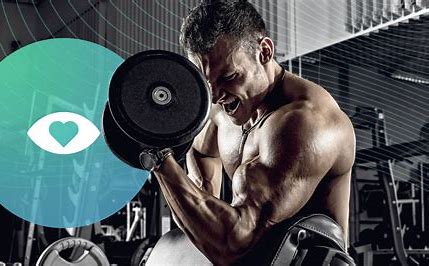
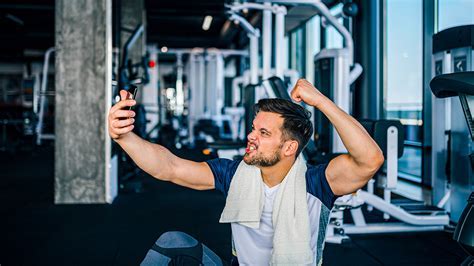
A prime example illustrating this dichotomy is evident within the bodybuilding community. Propelled by the pervasive influence of social media platforms, the bodybuilding subculture has witnessed an unprecedented surge in membership and visibility. Yet, this exponential growth has created a phenomenon of mass commercialization, primarily driven by the presence of influencers situated within iconic gym establishments like Gold’s Gym (Wellman, 2020).
This video discusses the impact of influencers on the bodybuilding community and social media sphere. Created by user: @kameronwak
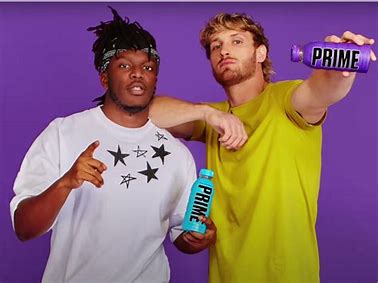
These influencers, through their extensive reach and promotional endeavors, have permeated the boundaries of the bodybuilding community, fundamentally altering its fundamental tenants. What was once a subculture anchored in the principles of physical prowess, self-discipline, and personal development has progressively metamorphosed into a place dominated by commercial interests and superficiality. The influx of influencers has started a change in thinking within the bodybuilding community, diverting its focus from intrinsic values towards external validation and profit-driven motives. Consequently, the sanctity and authenticity of the bodybuilding subculture have been compromised, as it has transitioned from a platform self-improvement to a commodified spectacle ripe for exploitation on digital platforms such as YouTube, TikTok, and Instagram. The creation of content aimed at maximizing viewership and monetization has contributed to a widescale change of the community’s core tenants, perpetuating stereotypes and reinforcing shallow perceptions.
With the recent rise in extremist ideologies and social media, more and more prominent figures such as politicians have made their presence and opinions known online. Not only are social media platforms like Twitter and Instagram accessible and easy to use for the general population, but features like comments, likes, and reposts allow information to be spread faster than ever. However, some people, including extremist political leaders, use it to spread misinformation and invoke online moral panics. In practice, the news media is supposed to act as a conduit of information that makes democracy possible by supplying information to the populace so that they can make rational decisions about their governance (Carlson 2018). Similarly to news outlets, social media is a way for people to receive information about anything from sports to animals to politics. Most of these sites have moderators to ensure that things like hate speech and blatantly fake news are not posted, but the issue of free speech often makes removing every single hateful or fake post or comment nearly impossible. The alliance between some types of social deviance and political marginality has been strengthened: politics has become more ‘deviant’ to social norms, and deviancy is progressively politicized (Hall 1974). Some subcultures and groups have become increasingly more politicized as their following and public support on social media has grown.
A prominent example of this is the far-right group known as QAnon, some of the most avid supporters of former President Donald Trump and participants in the January 6th insurrection. On December 19, 2020, Donald Trump sent out a Tweet on the popular social media platform Twitter of how the election was stolen and tweeted “big protest in D.C. on January 6th. Be there, will be wild!” Two days after the insurrection, he was not only banned from Twitter but there was a congressional hearing that laid out the argument that Trump’s tweet played a key role in fomenting that day’s violence (Dreisbach 2022). Through one single message on social media, Trump was able to amass over 5,000 people at the Capitol. Although he is now banned from Twitter, and moderators on these more popular social media sites are blocking and preventing any more inciteful and hateful speech, other sites are far more lenient. However what results in people accessing these sites are echo chambers, where individuals who participate in these homogenous discussion groups tend to adopt more extreme positions after deliberating with their like-minded peers (Persily and Tucker 2020). When individuals with extremist values cannot find the support or media they want on their typical social media sites and even find themselves polarized and shunned, they tend to find sites with little to no moderation where people can post whatever they want with little to no consequences. These echo chambers not only reinforce extremist ideas and values, but they strengthen them and amplify their preexisting beliefs.
Instagram: An image sharing app that has increased attention and access to subcultures as well as providing a space for communities based on style and expression such as body mod, bodybuilders, and influencers
TikTok: A legally contentious video posting site that has enabled influencer culture to exponentially grow
Discord: A calling and messaging platform that has become a crucial part of many subcultural communities that have gone online, especially fandoms and online subcultures.
Gab: An alt-right media space that enables participation in groups like QAnon.
Reddit: A messaging board site that has acted as a launching place for many people to engage with new and unique cultures, with different ‘subreddits’ dedicated to many ideas and cultures.
Snapchat: A picture messaging platform, primarily used by the younger generations as an alternate to texting.
Facebook: An Instagram-like platform that is now primarily used by the older generation to express their believes and lifestyles.
X: Previously known as twitter, X provides a space for expressing opinion and is currently hailed as a relatively free speech site by current ownership, making it a good place for deviant subcultures to form.
Haenfler, Ross. 2023. Subcultures: The Basics. London: Routledge.
Page Citation: Malone, Cooper, Connor Smith, and Antoni Staszkiewicz. 2024. “Social Media and Subcultures.” Subcultures and Sociology. Retrieved [date viewed]. (https://haenfler.sites.grinnell.edu/socialmediasubcultures/)